DIY smart plug automation means setting up smart plugs yourself to control your devices. This lets you turn things on or off remotely or on a schedule. It’s a great way to make regular appliances smart. It helps save energy too. You can create custom schedules for any appliance.
What Are DIY Smart Plugs?
Smart plugs are simple gadgets. They plug into your regular wall outlet. Your device then plugs into the smart plug.
These smart plugs connect to your home’s Wi-Fi network. This connection lets you control them using a smartphone app. You can also often use voice commands.
Think of them as a smart adapter. They make “dumb” devices, like lamps or fans, “smart.”
The “DIY” part just means you’re setting them up yourself. No need for an electrician. Most are designed for easy home setup.
You’ll need your Wi-Fi password handy. And a smartphone or tablet. That’s usually it.
It’s about giving you control. Control over when things turn on and off. Control over your energy use.
It’s a simple way to upgrade your home.
Why Automate with Smart Plugs?
There are many good reasons to start automating. One big one is convenience. Imagine never having to get up to turn off a light.
Or being able to start your fan before you get home on a hot day. It makes life a little easier.
Energy saving is another major benefit. Many devices use power even when they’re off. This is called “phantom load.” Smart plugs can cut this power.
You can schedule them to turn off completely overnight. Or when you’re away from home. This can lower your electricity bill.
It also helps the planet a bit.
Security can also be improved. You can schedule lights to turn on and off. This makes it look like someone is home.
Even when you’re on vacation. It’s a simple deterrent. Plus, you can control things remotely.
If you forget to turn something off, you can do it from anywhere. It gives peace of mind.
My First Smart Plug Set Up
I remember the first smart plug I ever bought. It was a few years ago. I was tired of forgetting to turn off the humidifier in my bedroom.
It would run all day. I worried about it wearing out. Or even being a fire hazard, though that was a stretch.
I saw an ad for a smart plug. It looked so simple. “Just plug it in and use your phone!” it said.
I bought one. It sat in its box for a week. I was a bit nervous.
What if I messed it up? What if it didn’t connect to my Wi-Fi? I finally opened it one evening.
I plugged it into the wall. Then I plugged the humidifier into the smart plug. I downloaded the app.
It asked for my Wi-Fi name and password. I typed them in. It blinked.
Then it connected. I could turn the humidifier on and off right from my phone. It felt like magic.
That little bit of control made me feel so accomplished. It was a small step, but it opened up a world of possibilities.
Choosing Your Smart Plug
Types of Smart Plugs:
- Basic Wi-Fi Plugs: These are the most common. They connect directly to your home Wi-Fi.
- Smart Hub Plugs: Some need a separate smart home hub. Like Samsung SmartThings or Philips Hue.
- Energy Monitoring Plugs: These track how much power your devices use. Great for spotting energy hogs.
- Outdoor Plugs: Built to withstand weather for garden lights or holiday decorations.
How Smart Plugs Work: The Basics
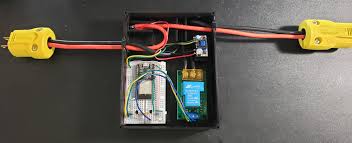
At its core, a smart plug is a relay. A relay is like a switch. It can be opened or closed.
This switch is controlled by a small computer chip inside the plug. This chip talks to your Wi-Fi router. It gets instructions from the app on your phone or tablet.
When you tap “On” in the app, the chip sends a signal. This signal tells the relay to close. Closing the relay completes the electrical circuit.
Power flows from the wall outlet to your device. When you tap “Off,” the chip tells the relay to open. This breaks the circuit.
Power stops flowing. It’s a very simple electrical concept.
The “smart” part comes from the wireless connection. Your router acts as a bridge. It connects the internet (where your app lives) to your smart plug.
This allows control from anywhere. As long as you have an internet connection. Your phone can be across town.
The plug still listens for commands.
Connecting Your Smart Plug to Wi-Fi
This is usually the first step. And often the most confusing for some. Don’t worry.
Most apps guide you through it. First, plug the smart plug into a wall outlet. Make sure it’s close to your Wi-Fi router for the initial setup.
Some plugs will blink a light. This means they are in setup mode.
You’ll open the app that came with your smart plug. It will likely have a button like “Add Device” or “Set Up New Plug.” You’ll select your brand of plug. Then, the app will ask you to connect to a temporary Wi-Fi network.
This network is created by the smart plug itself. It’s how the plug talks to your phone directly for setup.
Once connected to the plug’s network, you’ll go back to the app. It will then ask for your home Wi-Fi network name and password. Be sure to enter these correctly.
The plug will then disconnect from your phone’s temporary network. It will connect to your home Wi-Fi. The light on the plug should turn solid.
This means it’s online and ready to go. If it doesn’t connect, try moving closer to the router. Or check your password.
Sometimes restarting your router helps too.
Smart Plug Setup Checklist
- Have your Wi-Fi password ready.
- Plug the smart plug near your router for setup.
- Download the correct app for your plug.
- Ensure your phone is connected to your home Wi-Fi.
- Follow the app’s on-screen prompts carefully.
Creating Schedules and Routines
This is where the real automation happens. Once your plug is online, you can set schedules. Most apps have a “Schedule” or “Timer” section.
You can set specific times for the plug to turn on or off.
For example, you can schedule your living room lamp to turn on at sunset. And turn off at 10 PM. Or your morning alarm clock can signal your coffee maker to start brewing.
You just plug the coffee maker into the smart plug. Then set a schedule for the plug. Your coffee will be ready when you wake up.
It’s a small luxury that feels great.
Some apps allow for “routines” or “scenes.” These let you control multiple smart devices at once. You could create a “Good Morning” routine. This might turn on your bedroom lamp, start your coffee maker, and turn on the news channel on your smart TV.
All with one tap or voice command. This is the power of smart home automation. It ties your devices together.
Voice Control Integration
Most smart plugs work with voice assistants. Think Amazon Alexa, Google Assistant, or Apple’s Siri (via HomeKit). To use voice control, you usually need a smart speaker or display.
Or just the app on your phone.
First, you’ll need to link your smart plug account to your voice assistant’s account. This is done within the voice assistant’s app. For example, with Alexa, you’d go to “Skills & Games.” You’d search for the brand of your smart plug.
Then you’d enable the skill. You’ll be prompted to log in to your smart plug account. This gives the Alexa app permission to control your plugs.
Once linked, you can give commands. “Alexa, turn on the desk lamp.” Or “Hey Google, turn off the fan.” You can also include smart plugs in voice-controlled routines. “Siri, goodnight.” This might turn off all your lights and unplug certain devices.
Voice control adds another layer of ease. Especially when your hands are full.
Common Voice Commands
- “Alexa, turn on the .”
- “Hey Google, turn off the .”
- “Siri, is the on?”
- “Alexa, set a timer for to turn off in 30 minutes.”
- “Hey Google, turn on at sunrise.”
Note:
What Can You Automate?
The possibilities are quite wide. Think about everyday items. Lamps are a very common starting point.
Christmas lights are another. Fans, portable heaters, and air conditioners can be scheduled. Even your old TV can be turned on or off.
Consider your kitchen. You can schedule your coffee maker. Or a slow cooker to start at a specific time.
Your electric kettle could be set to boil water at a certain time. In your office, you can control monitors, printers, or task lighting.
Even less obvious items can benefit. For instance, a small aquarium heater or filter. You can ensure they run on a consistent schedule.
Or a dehumidifier in a basement. You can schedule it to run during times when humidity is typically higher. The key is identifying tasks that involve turning something on or off at specific times.
Energy Monitoring Smart Plugs Explained
Some smart plugs offer a special feature: energy monitoring. These plugs tell you how much electricity a device is using. They often show this data in the app.
You can see the current wattage. You might also see daily, weekly, or monthly energy usage in kilowatt-hours (kWh).
This is incredibly useful for saving money. You can identify “vampire” devices that drain power when not in use. For example, old electronics or chargers.
You might find your internet router uses more power than you thought. You can then decide if you want to schedule these devices to turn off when not needed. Or investigate more energy-efficient alternatives.
Some energy monitoring plugs can even set alerts. You might get a notification if a device starts using an unusual amount of power. This could signal a problem with the appliance.
Or it could be a sign of a potential safety issue. It adds a layer of awareness to your home’s energy consumption. It puts you in charge of your usage.
Energy Monitoring: What to Look For
- Real-time Wattage: See how much power is being used right now.
- Usage History: Track energy use over time (hours, days, months).
- Cost Estimation: Some apps estimate your electricity bill based on usage.
- Appliance Identification: Helps you find devices that use a lot of energy.
Troubleshooting Common Smart Plug Issues
It’s rare, but sometimes things don’t work perfectly. The most common issue is connection problems. If your plug loses connection, first check your Wi-Fi.
Is your internet working? Is your router on?
Try moving the plug closer to the router. Walls and distance can weaken the signal. Sometimes, a simple power cycle helps.
Unplug the smart plug. Wait 30 seconds. Then plug it back in.
Also, try restarting your Wi-Fi router. This can fix many network glitches.
If the plug still won’t connect, you might need to reset it. Most plugs have a small reset button. You usually have to press and hold it for 5-10 seconds.
This returns the plug to factory settings. Then you’ll have to go through the setup process again. Check your plug’s manual for specific instructions on how to reset it.
Another issue can be app problems. Make sure your smart plug app is updated to the latest version. Sometimes, uninstalling and reinstalling the app can solve glitches.
If you’ve tried everything, contact the manufacturer’s customer support. They can often guide you through specific issues with their products.
DIY Smart Plug Automation in Different Rooms
Let’s think about specific rooms. In the living room, you can automate lamps for ambiance. Or schedule your TV or sound system to turn off at bedtime.
You could have your fan turn on when the room reaches a certain temperature (if the plug monitors that or is linked to a sensor).
For the bedroom, automating your bedside lamp is popular. You could set it to turn on dimly in the morning. Or schedule your white noise machine.
In the kitchen, as we mentioned, the coffee maker is a big win. Also, string lights for holiday decor. Or even a bread maker.
In the home office, automate your monitor. Or your printer. This saves energy.
You can also control desk lamps. For outdoor areas, use outdoor-rated smart plugs. Automate porch lights.
Or holiday decorations. Or even your garden fountain. It adds charm and convenience.
Room-by-Room Automation Ideas
- Living Room: Lamps, fans, entertainment systems.
- Bedroom: Bedside lamps, night lights, humidifiers.
- Kitchen: Coffee maker, slow cooker, kettle, holiday lights.
- Office: Monitors, printers, desk lamps.
- Outdoor: Porch lights, garden decor, fountains.
Smart Plugs vs. Smart Outlets
You might also see “smart outlets.” What’s the difference? A smart plug is a separate device. You plug it into a regular outlet.
Then you plug your appliance into the smart plug. A smart outlet is a replacement for your existing wall outlet. You’d need to install it.
This usually requires turning off power at the breaker. And it might require some basic electrical knowledge or an electrician.
For DIY setup, smart plugs are much simpler. You don’t need to change any wiring. You just plug them in.
Smart outlets offer a more integrated look. They don’t stick out from the wall. Some smart outlets have multiple controlled outlets.
And sometimes USB ports. But for most users wanting easy automation, smart plugs are the way to go.
When to Use a Smart Plug (and When Not To)
Use smart plugs for anything with a simple on/off switch. Or anything that starts working when it gets power. Examples include lamps, fans, space heaters, coffee makers, and holiday lights.
If a device has complex electronic controls or needs specific button presses to start (like a microwave you need to set the time on), a smart plug might not work directly.
For devices with electronic controls, look for smart plugs that have a “passthrough” or “learning” mode. Some advanced smart plugs can mimic button presses. But this is less common.
Always check the product description. It will tell you what kind of devices are compatible.
Also, never plug in things that need precise safety controls through a smart plug. Like medical equipment or devices that pose a high fire risk if misused. Always use your judgment.
And prioritize safety. If you’re unsure, it’s best to stick to simpler appliances.
Device Compatibility: Quick Guide
- Good To Go: Lamps, fans, fans, space heaters, coffee makers, kettles, TVs (for power on/off).
- Maybe/Check Manual: Appliances with electronic controls, some smart TVs (if you want more than just power), slow cookers.
- Probably Not: Microwaves (unless specific model), washing machines, ovens, medical equipment.
Security and Privacy Concerns
It’s wise to think about security when connecting devices to your Wi-Fi. Smart plugs, like any internet-connected device, can be targets. However, most reputable brands take security seriously.
Make sure you use a strong, unique password for your Wi-Fi network. And use a strong, unique password for your smart plug account. Keep the firmware of your smart plugs and your router updated.
Manufacturers release updates to fix security bugs.
Most smart plug apps use encrypted communication. This means your commands are scrambled. They’re hard for others to read if intercepted.
Also, remember that your data might be collected by the manufacturer. Read their privacy policy. Understand what data they collect.
And how they use it. For most users, the convenience and benefits outweigh the minor risks.
Advanced Automation Ideas
Once you’re comfortable with basic schedules, you can get more advanced. You can link smart plugs to other smart home devices. For example, if you have a smart motion sensor, you could set a plug to turn on a hallway light only when motion is detected at night.
This is a common “smart home” scenario.
Some smart plugs can be programmed with “if this, then that” (IFTTT) rules. This lets you connect different apps and devices. For instance, you could set up a rule that says: “If the weather forecast predicts rain tomorrow, turn on my indoor plant light.” Or “If my smart smoke detector goes off, immediately turn off all smart plugs.”
You can also use smart plugs with smart home hubs like Samsung SmartThings, Hubitat, or Home Assistant. These hubs offer even more control and customization. They can manage many different brands of smart devices.
And allow for complex automations. This is where you can truly build a personalized smart home experience.
Beyond Basic Scheduling
- Motion Detection: Turn on lights when you enter a room.
- Sunrise/Sunset: Lights on at dusk, off at dawn.
- Geofencing: Plugs turn on when you arrive home. Turn off when you leave.
- IFTTT Integration: Connect with other apps and services for custom triggers.
Cost and Value of DIY Smart Plugs
Smart plugs are generally quite affordable. You can often find single plugs for $10 to $20. Multi-packs can bring the price down per plug.
Energy monitoring plugs might cost a little more. Around $20 to $30 each.
The value comes from the convenience, energy savings, and added security. If a smart plug helps you save even $5 a month on your electricity bill, it pays for itself quickly. The ability to control devices from anywhere is also a significant convenience factor.
For many, the small investment is well worth the smart home upgrade it provides. It’s one of the most accessible ways to start smartening your home.
What This Means for Your Home
Adding DIY smart plugs means you gain control. You can easily make everyday appliances smarter. This saves you time and effort.
It can also lead to lower energy bills. And it can enhance your home’s security. It’s an empowering way to use technology.
You’re not just buying a gadget; you’re customizing your living space.
It means you can wake up to brewed coffee. Or come home to a well-lit house. You can check if you left a device on from miles away.
It makes managing your home easier. It brings a touch of modern convenience to tasks you do every day. You’ll likely find yourself wondering how you managed without them.
When Is It Normal vs. When to Worry
It’s normal for a smart plug to turn on or off according to its schedule. Or when you command it through the app or voice assistant. It’s also normal for it to lose connection briefly if your Wi-Fi hiccups.
A quick restart usually fixes it. Energy monitoring readings fluctuating is also normal as devices cycle on and off.
You should worry if a smart plug feels hot to the touch. Or if it smells like burning. This indicates a potential electrical issue.
Unplug it immediately. Do not use it. If your smart plug is constantly disconnecting.
And you’ve tried all troubleshooting steps. It might be a faulty unit. Or there could be a problem with your Wi-Fi network.
If you notice any sparks or unusual noises. Stop using it immediately and consult an electrician. Safety is always the top priority.
Quick Tips for Smart Plug Automation
Start simple. Don’t try to automate everything at once. Pick one or two devices that will make your life easier.
Lamps and coffee makers are great starting points.
Use clear names for your plugs in the app. Instead of “Plug 1,” call it “Living Room Lamp” or “Desk Fan.” This makes controlling them with voice commands much easier.
Schedule things to turn off automatically. This is key for energy saving and safety. Set lights to turn off when you usually go to sleep.
Test your schedules. Make sure they work as you expect. Especially if you’re using sunrise/sunset features.
The timing might need slight adjustments.
Keep your apps and firmware updated. This ensures you have the latest features and security patches.
Frequently Asked Questions About DIY Smart Plugs
Can I use smart plugs with any appliance?
You can use smart plugs with most appliances that have a simple on/off switch. Or devices that turn on when they receive power. Avoid plugging in appliances with complex electronic controls or those requiring specific button presses to start.
Always check the product specifications for compatibility.
Do smart plugs require a special Wi-Fi network?
No, most smart plugs connect to your existing home Wi-Fi network. During setup, they might temporarily create their own network to connect to your phone. But once configured, they use your regular home Wi-Fi to communicate.
How much electricity do smart plugs use themselves?
Smart plugs use a very small amount of electricity. Typically less than a watt. This is usually negligible.
Some energy monitoring plugs might use slightly more. But the energy they help you save on other devices usually far outweighs their own consumption.
Can I control my smart plugs when I’m not home?
Yes, as long as both your phone and your smart plug have an internet connection, you can control them from anywhere. This is one of the main benefits of smart plug automation.
Are smart plugs safe to use with heaters or other high-power devices?
It’s important to check the maximum wattage or amperage rating of the smart plug. Ensure it matches or exceeds the power requirements of the device you’re plugging into it. Overloading a smart plug can be a safety hazard.
Always use plugs rated for the device’s power draw.
Do I need a smart home hub to use smart plugs?
Many smart plugs work independently using Wi-Fi and their own smartphone app. You don’t always need a separate smart home hub. However, some smart plugs are designed to work with specific hubs (like Zigbee or Z-Wave plugs) for more advanced control or if you want to connect many devices together.
How do I rename my smart plugs for voice control?
You rename your smart plugs within the smartphone app provided by the manufacturer. Look for settings related to your device. You can usually type in a new name, like “Bedroom Lamp” or “Kitchen Fan.” This name is then used when you give voice commands.
Conclusion
Setting up smart plug automation is a fantastic way to make your home smarter. It’s achievable for almost anyone. You can start with simple tasks like controlling lights.
Then move on to more complex schedules. It puts convenience and energy savings at your fingertips. Remember to choose the right plugs for your needs.
And always prioritize safety.