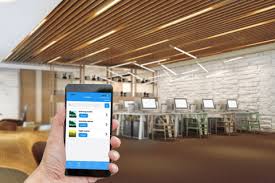
Smart lighting scenes allow you to group multiple lights and set them to specific colors, brightness levels, and on/off states. These scenes can then be activated with a single command, like a voice prompt or a tap on an app. Setting up scenes transforms basic smart lighting into a truly automated and atmospheric system for your home.
What Are Smart Lighting Scenes?
Think of a smart lighting scene as a preset. It’s a snapshot of how you want your lights to look and act at a certain time. This could be for movie night.
Or maybe for waking up gently. Or perhaps for a dinner party.
A scene isn’t just one light. It can include many lights in one room or across your whole house. You tell each light what to do.
One light might turn bright white. Another might glow a soft orange. A third might turn off completely.
These scenes are saved within your smart home app. Apps like Philips Hue, Kasa, or Apple HomeKit let you build them. You give each scene a name.
Maybe “Movie Time,” “Morning Wake-Up,” or “Relax.”
When you choose a scene, all the lights linked to it instantly change. This is the magic. No more fiddling with each bulb.
One command does it all.
My First Smart Lighting Scene Mess-Up
I remember the first time I tried to set up a scene. It was for a cozy evening. I wanted warm, dim lights.
I had just gotten a few smart bulbs for my living room. I opened the app, feeling pretty confident. I tapped around, found the “scenes” section, and started adding lights.
I set the main lamp to a low, warm glow. Perfect. Then I added the accent light behind the TV.
I set it to a slightly different warm color. It looked okay. But then I added the overhead light.
I tried to dim it way down. Instead, it flashed bright white for a second. Then it went off.
Total panic! My cozy evening was turning into a disco accident.
I felt a wave of frustration. This was supposed to be simple! I spent a good ten minutes just trying to get the overhead light back to normal.
The whole point was ease, and here I was, more confused than before. It took a deep breath and a quick online search to realize I had probably just picked the wrong color temperature or brightness level in the app. Small details matter a lot.
Getting Started: The Basics of Scene Creation
Setting up your first scene is simpler than you might think. Most smart lighting systems guide you through it. You’ll usually start in the app that controls your lights.
This is your command center.
Step 1: Open Your Smart Home App
Find the app for your brand of smart lights. This could be Hue, Kasa, Wyze, or something else. Log in if you need to.
Step 2: Locate the “Scenes” or “Routines” Section
This is often found on the main dashboard or in a menu. It’s where you manage your light’s presets. Some apps call them “Routines” or “Automations.”
Step 3: Create a New Scene
Look for a “+” button or “Create Scene.” The app will then ask you which lights to include in this new scene. Select the lights you want to control together.
Step 4: Adjust Each Light
Now, for each light you added, you’ll set its state. You can change its color. You can set its brightness level.
You can turn it on or off.
Step 5: Name and Save Your Scene
Once you’re happy with how everything looks, give your scene a clear name. Like “Dinner Time.” Then save it. You’re done!
Choosing the Right Lights for Your Scenes
Not all smart lights are created equal. The type of bulb you choose affects what kind of scenes you can make. This is a key point many people miss.
Some smart bulbs can change their color. They offer millions of shades. These are called RGB bulbs.
They are great for fun, vibrant scenes. Think holiday lighting or party moods.
Other bulbs change their white light. They can go from a cool, bright blue-white to a warm, soft yellow-white. These are often called “tunable white” or “white ambiance” bulbs.
They are perfect for scenes that mimic natural light. Like waking up or winding down.
There are also simple smart bulbs. They just turn on and off. They also let you set a brightness level.
These are the most basic. They work for simple on/off scenes or dimming.
For most home scenes, tunable white bulbs are very useful. They help set the right mood without being too distracting. RGB bulbs are fun but can be overpowering if not used carefully.
Crafting the Perfect Ambiance: Scene Ideas
Let’s explore some popular scene ideas. These can spark your own creativity. Think about what you do in each room.
Movie Night
Dim lights are key. You want the focus on the screen. Keep the main lights very low.
Maybe a soft, warm color. You could even turn off some lights. Accent lights behind the TV can add depth.
Think a soft red or orange.
Dinner Party
You want a welcoming and warm feel. Use medium brightness. Choose warm, inviting colors.
A soft yellow or amber works well. Avoid bright whites or blues. They can feel too harsh for a meal.
Morning Wake-Up
This scene can simulate a sunrise. Start with very dim, warm light. Then, slowly increase brightness.
Gradually shift the color towards a cooler, brighter white. This helps signal your body to wake up naturally. It’s much nicer than a loud alarm.
Reading Nook
Good task lighting is essential. You need enough light to see clearly. But it shouldn’t be too bright to cause glare.
A bright, neutral white is often best here. Position it so it lights up your book or page directly.
Away Mode
This scene makes it look like someone is home. You can set lights to turn on and off at different times. This can deter potential intruders.
It’s a good security feature.
Focus Time
For work or study, you need bright, clear light. A cool, bright white light can help you feel more alert. Set the brightness high.
This scene is about productivity.
Quick Scan: Scene Type vs. Light Setting
| Scene Goal | Brightness | Color Temperature | Color (RGB) |
| Movie Night | Low | Warm | Soft Red/Orange (Optional) |
| Dinner Party | Medium | Warm | Soft Yellow/Amber |
| Morning Wake-Up | Low to High (Gradual) | Warm to Cool (Gradual) | N/A |
| Reading | High | Neutral to Cool | N/A |
| Focus Time | Very High | Cool | N/A |
Integrating with Voice Assistants
Smart lighting scenes really shine when you can control them with your voice. Most smart lighting systems work with popular voice assistants like Amazon Alexa, Google Assistant, or Apple’s Siri.
Once you’ve set up your scenes in your lighting app, you need to link your lighting account to your voice assistant’s account. This is usually done within the voice assistant app. You’ll likely need to “discover devices” or “enable a skill.”
After linking, you can use voice commands. Instead of opening an app, you just say something like:
- “Alexa, turn on Movie Night.”
- “Hey Google, set the living room to Dinner Party.”
- “Siri, activate Wake Up scene.”
This hands-free control is incredibly convenient. It makes using your smart lights feel truly futuristic and effortless.
When Scenes Don’t Work as Expected
Sometimes, things go wrong. Your scene might not activate. Or only some lights might change.
Don’t despair. There are common reasons for this.
Connectivity Issues: Your smart lights need a stable Wi-Fi connection. If your router is far away or has weak signal, lights might not respond. Check your Wi-Fi.
Make sure your router is working well.
App Sync Problems: The app and the lights might get out of sync. Try closing and reopening your smart lighting app. Sometimes, restarting your phone helps.
Device Offline: One of your bulbs might be turned off at the physical switch. Or it might have lost power. Smart bulbs need constant power to be controlled remotely.
Make sure all bulbs are powered on.
Account Linking Errors: If you’re using voice control, the link between your lighting account and your voice assistant might have broken. You may need to re-link them. Check the voice assistant app for errors.
Firmware Updates: Sometimes, an update is needed for your bulbs or your hub. Check your app for any pending updates and install them.
Complex Setups: If you have many lights or multiple rooms, things can get complicated. Start with simple scenes. Add complexity gradually.
Troubleshooting Quick Check
Problem: Scene won’t activate.
Check: Wi-Fi signal, bulb power, app connectivity. Re-link voice assistant if needed.
Troubleshooting Quick Check
Problem: Only some lights change.
Check: Ensure all intended lights are selected in the scene setup. Verify those specific bulbs are online and powered.
Troubleshooting Quick Check
Problem: Voice command not working.
Check: Ensure the voice assistant recognized the scene name correctly. Re-link accounts if necessary.
Advanced Scene Features and Integrations
Once you’ve mastered the basics, you can explore more advanced features. Many smart lighting systems allow for greater customization.
Scheduling Scenes
You can set scenes to turn on automatically at specific times. For example, your “Morning Wake-Up” scene can start at 7 AM every weekday. Your “Evening Relaxation” scene can start at 9 PM every night.
Geofencing
Some systems allow geofencing. This means scenes can activate based on your location. For example, a “Welcome Home” scene could turn on your entryway lights when you arrive.
Or an “Away” scene could turn off all lights when you leave.
Motion and Contact Sensors
Integrating smart lighting with sensors adds another layer of automation. You could set a scene to turn on a hallway light when motion is detected at night. Or have closet lights turn on when the door opens.
Integration with Other Smart Devices
Advanced users can link smart lighting scenes to other smart home devices. For instance, a “Movie Night” scene could not only dim the lights but also lower smart blinds and turn on the TV. This creates a cohesive smart home experience.
The Future of Smart Lighting Scenes
Smart lighting is constantly evolving. We’re seeing more AI-powered features. Lights might soon learn your habits and adjust automatically.
They could adapt to the time of day or even your mood, based on other data points.
The complexity of creating scenes might decrease. We might see more intuitive, visual interfaces. Or even systems that suggest scenes based on your room’s decor or your typical activities.
The goal is always more seamless integration. Making your home react to you, rather than you having to command it. Smart lighting scenes are a big step in that direction.
They bring a personalized touch to your living space.
Frequently Asked Questions About Smart Lighting Scenes
Can I create scenes with different brands of smart lights?
It depends on the platform. If you use a universal smart home hub like Apple HomeKit, Google Home, or Amazon Alexa, you can often create scenes that include lights from different brands. You’ll need to ensure those brands are compatible with your chosen hub.
Some systems only work with their own brand of lights.
Do smart lighting scenes use a lot of electricity?
Modern smart bulbs, especially LED ones, are very energy efficient. The energy used to control them remotely is minimal. The main electricity consumption comes from the bulb itself when it’s on.
Smart scenes can even help save energy by ensuring lights are turned off when not needed or dimmed to lower levels.
How do I adjust the brightness of a scene after I’ve created it?
You can usually edit an existing scene. Open your smart lighting app, find the scene you want to change, and look for an “edit” or “settings” option. From there, you can adjust the brightness of individual lights or all lights within the scene, just like when you first created it.
Then, save the changes.
What’s the difference between a scene and a routine?
The terms “scene” and “routine” are often used interchangeably in smart home apps. Generally, a scene is a static setting for your devices (like lights set to a specific look). A routine is a sequence of actions that can be triggered by a command, time, or event, and it can include activating a scene.
So, a routine might be “Good Morning,” which then activates your “Morning Wake-Up” light scene, turns on the coffee maker, and reads you the news.
Can I set up scenes without a smart home hub?
Many smart bulbs connect directly to your Wi-Fi network. In this case, you don’t need a separate hub. You would use the manufacturer’s app to create and manage your scenes.
However, a hub can offer more robust control and integration with other smart devices, especially if you have many lights or devices from different brands.
How many lights can be in one smart lighting scene?
The number of lights you can include in a single scene depends on the smart lighting system and your Wi-Fi network’s capacity. Most consumer systems allow for dozens of lights per scene. For very large setups, you might need to organize scenes by room or zone to keep things manageable and ensure reliable performance.
Wrapping Up: Your Smart Lighting, Your Way
Creating smart lighting scenes is your pathway to a more comfortable and automated home. It’s about more than just light. It’s about setting the mood.
It’s about making daily tasks easier. It’s about adding a touch of magic to your living space.
Don’t be afraid to experiment. Play with different colors and brightness levels. See what feels right for you.
Your home, your rules. Enjoy your perfectly lit spaces.