Category: Diy Home Labs

  • Raspberry Pi Project Ideas
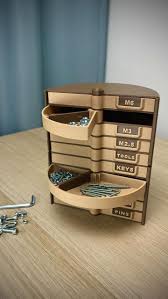
    Raspberry Pi project ideas cover a wide range. They span from simple beginner electronics to complex home automation and robotics. You can build things like retro game consoles, weather stations, smart mirrors, and even robots.

    These projects help you learn coding, electronics, and problem-solving skills in a fun way.

    What is a Raspberry Pi Project?

    A Raspberry Pi project is basically anything you build or create using a Raspberry Pi computer. This tiny computer is very flexible. It’s good for learning about computers and coding.

    But it’s also great for making physical things work. Think of it as the brain for your inventions.

    These projects often connect the Raspberry Pi to other parts. These can be sensors, lights, motors, or screens. You write code on the Pi to tell these parts what to do.

    The result is something interactive and useful. It can be a fun gadget or a tool for your home.

    My First Raspberry Pi Project: A Humble Beginning

    I remember my first Raspberry Pi. It sat on my desk for weeks. I’d read about all the amazing things people made.

    Yet, my own ideas felt too big. Then, one rainy Saturday, I decided to try something simple. I wanted to make an LED blink.

    It sounds silly, right? But it was a start.

    I connected a small LED and a resistor to the Pi’s pins. Following a tutorial, I wrote a few lines of Python code. Seeing that little light flicker on and off felt like magic.

    It was a small win, but it showed me the power of this tiny machine. That first blink opened the door to so many more possibilities. It taught me that even small steps lead to big creations.

    Getting Started: Essential Tools for Projects

    Before you jump into big projects, a few things make it easier. You’ll need your Raspberry Pi, of course. A power supply is also key.

    A good microSD card is important for the operating system. Then, consider these basics:

    • Breadboard: This lets you connect electronic parts without soldering. It’s great for testing.
    • Jumper Wires: These connect components to the Pi’s pins and to each other.
    • Basic Components: LEDs, resistors, buttons, and buzzers are common starters.
    • Computer: You’ll need a keyboard, mouse, and monitor to set up the Pi.

    Fun Raspberry Pi Project Ideas for Every Skill Level

    There are projects for everyone. Whether you’re new to coding or a seasoned maker, there’s something for you. Let’s break them down by category.

    Beginner-Friendly Projects

    These projects are great for learning the basics. They help you get comfortable with the Pi and simple electronics. You’ll use basic coding and easy wiring.

    1. Blinking an LED

    This is the “Hello, World!” of hardware. It teaches you about the Pi’s GPIO (General Purpose Input/Output) pins. You’ll learn how to send a signal to turn something on and off.

    It’s a fundamental step for many other projects.

    2. Simple Button Input

    Next, learn to read input. You connect a button to the Pi. When you press it, the Pi detects it.

    You can use this to control other things. Maybe it makes an LED light up when pressed. It’s all about making the Pi react to the real world.

    3. Temperature and Humidity Sensor

    Many affordable sensors can measure temperature and humidity. You connect one to the Pi. Then, you write code to read the data.

    You can display this on a screen or send it over the internet. It’s a good way to start with data logging.

    4. Traffic Light Simulation

    This project uses multiple LEDs. You program them to flash in a sequence, like a traffic light. It helps you practice controlling multiple outputs at once.

    You learn about timing and order in your code.

    Quick-Scan Table: Beginner Project Steps

    Project What You Learn Key Components
    Blink LED GPIO output, basic coding LED, resistor, jumper wires
    Button Input GPIO input, conditional logic Button, resistor, jumper wires
    Temp/Humidity Sensor Sensor reading, data display DHT11/DHT22 sensor, jumper wires

    Intermediate Projects

    Once you’re comfortable with the basics, you can try more complex projects. These involve more components, more code, and more integration.

    5. Retro Gaming Console

    Turn your Pi into a classic game machine! Software like RetroPie or Lakka lets you play old video games. You’ll need to load ROMs (game files).

    You can even add controllers for a real arcade feel. This project is pure fun and a great way to relive some gaming memories.

    6. Smart Mirror

    A smart mirror displays information like the time, weather, and news. It uses a monitor behind a one-way mirror. The Pi controls what’s shown.

    It’s a stylish and functional piece for your home. It looks complex, but many guides make it accessible.

    7. Home Automation Hub

    Control your smart lights, plugs, or thermostats with your Pi. You can use software like Home Assistant. The Pi acts as a central control point.

    This can simplify your smart home setup. It gives you a lot of custom control over your devices.

    8. Weather Station

    Go beyond basic sensors. Build a station that measures rain, wind speed, and more. You can log data and even create graphs.

    Display the information on a small screen connected to the Pi. You can even send the data to online weather services.

    Split Insight Panel: Smart Mirror Components

    Display: A computer monitor is needed. The size depends on how big you want your mirror.

    Mirror: A piece of two-way mirror glass is essential. This allows the screen to show through.

    Frame: You’ll need a sturdy frame to hold the monitor and mirror together.

    Raspberry Pi: This powers the display and runs the software.

    Advanced Projects

    These projects require a good understanding of coding, electronics, and possibly networking. They can be quite involved but offer immense satisfaction.

    9. Robotics and Drones

    Build your own robot! You can make it move, sense its surroundings, and even follow you. Drones are more complex but the Pi can control motors and sensors for flight.

    These projects often involve learning about motor control and sensor fusion.

    10. Network Attached Storage (NAS)

    Create your own personal cloud storage. Connect hard drives to the Pi. Set up software to make them accessible over your home network.

    It’s a cost-effective way to back up files and share them across devices. This is a very practical project for many.

    11. AI and Machine Learning Projects

    With newer Pis and optimized software, you can explore AI. Build a facial recognition system. Create a smart security camera that detects motion.

    Or even train a model to identify objects. These projects push the boundaries of what the Pi can do.

    12. Web Server with Raspberry Pi

    Host your own website or web application. The Pi can run a web server like Apache or Nginx. You can host a personal blog, a portfolio, or a small online tool.

    This teaches you about web development and server management.

    Card Grid: AI & ML Project Ideas

    Object Recognition

    Train the Pi to identify different objects in images or video feeds.

    Voice Assistant

    Build a custom voice assistant that responds to your commands.

    Gesture Control

    Use a camera to detect hand gestures and control other devices.

    Real-World Context: Where Pi Projects Shine

    Raspberry Pi projects aren’t just for hobbyists. They have real-world applications in homes, schools, and even small businesses.

    In the Home

    Think about smart home devices. A Pi can be the heart of a system that controls lights, heating, and security. It can automate tasks, saving energy and time.

    Imagine a system that adjusts your thermostat based on who is home. Or lights that turn on when you walk into a room.

    In Education

    Schools use Raspberry Pis to teach coding and STEM subjects. Students learn by doing. They build projects that make learning fun and interactive.

    From simple circuits to basic robotics, the Pi makes complex topics accessible.

    In Hobbies and Interests

    For makers and tinkerers, the Pi is a dream. It powers projects like home media servers, retro game consoles, and automated garden systems. Whatever your passion, there’s likely a Pi project that fits.

    It’s about bringing your ideas to life in a tangible way.

    What This Means for You: Turning Ideas into Reality

    The most important thing about Raspberry Pi projects is that they are achievable. You don’t need a degree in engineering. Start small.

    Pick a project that excites you. Even a simple LED blinking project teaches valuable skills. As you gain confidence, you can tackle more complex ideas.

    It’s also about learning from mistakes. Not every project will work perfectly the first time. That’s okay.

    Troubleshooting is a huge part of the process. Each problem you solve makes you a better maker. You learn to think critically and find solutions.

    This is a skill that goes far beyond Raspberry Pi.

    Contrast Matrix: Project Scope

    Normal Scope

    • Learning: Focused on understanding basic coding and electronics.
    • Single Function: A project does one main thing well.
    • Home Use: Enhancing personal comfort or entertainment.

    Concerning Scope

    • Overly Complex: Trying to build a commercial-grade system from scratch.
    • Critical Safety: Projects involving mains electricity without proper knowledge.
    • Unrealistic Expectations: Expecting perfect results instantly.

    Quick Fixes & Tips for Raspberry Pi Projects

    Sometimes, things don’t go as planned. Here are a few tips that can help you overcome common hurdles.

    • Double-Check Wiring: This is the most common cause of problems. Ensure all connections are secure and in the right pins.
    • Update Your Pi: Keep your Raspberry Pi’s operating system and software up to date. This can fix bugs and improve performance.
    • Read Documentation: Tutorials and component datasheets are your best friends. Read them carefully.
    • Use a Good Power Supply: An underpowered Pi can cause random errors. Use the official power supply or one of similar quality.
    • Test Components Individually: If a complex project isn’t working, break it down. Test each part separately to find the faulty one.

    Remember, patience is key. Most issues are solvable with a bit of detective work. Don’t be afraid to ask for help online.

    There are many communities dedicated to Raspberry Pi.

    Frequent Questions about Raspberry Pi Projects

    What are the easiest Raspberry Pi projects for beginners?

    The easiest projects involve blinking an LED, reading a button press, and displaying simple data from sensors like temperature and humidity. These help you learn basic coding and how to use the Pi’s GPIO pins without complex wiring or programming.

    Do I need to know how to code to use a Raspberry Pi?

    Yes, some coding is usually needed. Python is a popular and beginner-friendly language for Raspberry Pi projects. Many tutorials provide code you can use and adapt, making it easier to start even if you’re new to programming.

    What is the difference between a Raspberry Pi project and a regular computer project?

    Raspberry Pi projects often involve interacting with the physical world through its GPIO pins, sensors, and motors. They bridge the gap between software and hardware, creating tangible devices and systems, unlike typical computer tasks done on a desktop or laptop.

    Are Raspberry Pi projects expensive?

    The cost varies. The Raspberry Pi itself is affordable. Basic electronic components are also quite cheap.

    More complex projects, like those involving many sensors or powerful motors, can add up. However, many DIY projects are far less expensive than buying pre-made commercial versions.

    Where can I find more Raspberry Pi project ideas and tutorials?

    Great resources include the official Raspberry Pi website, sites like Instructables, Adafruit, SparkFun, and many dedicated maker blogs and YouTube channels. Searching for specific project types like “Raspberry Pi weather station tutorial” will yield many results.

    How long does it take to complete a Raspberry Pi project?

    This depends heavily on the project’s complexity and your skill level. A simple LED blinking project might take less than an hour. A smart mirror or a robotics project could take many hours or even days of work, including setup and troubleshooting.

    Conclusion

    Your Raspberry Pi is a gateway to incredible making. From simple lights to smart homes, the possibilities are vast. Choose a project that sparks your interest.

    Start building, learning, and creating. The journey of making with a Raspberry Pi is rewarding and full of discovery.

  • Best Raspberry Pi 5 Projects

    The best Raspberry Pi 5 projects offer a blend of learning, creativity, and practical application. They leverage the Pi 5’s enhanced performance for tasks like media streaming, home automation, emulation, and education, making complex tech accessible and engaging for makers of all levels.

    Unlocking the Raspberry Pi 5’s Power

    Your Raspberry Pi 5 is a big step up. It has a much faster processor. It also has more memory.

    This means it can do more. It can handle tougher tasks. Think of it like upgrading from a basic car to a sports car.

    You can go faster. You can do more complex maneuvers. This power opens up new doors for what you can build.

    Projects that were slow or impossible on older Pis are now smooth and responsive. This guide is here to help you find those exciting new projects. We’ll explore ideas that use this extra power.

    We will cover projects for beginners and more advanced builders alike.

    My First Pi 5 Project: A Case of Overwhelm

    I remember when I first got my Raspberry Pi 4. I was so excited. I had visions of a smart home hub.

    Then I pictured a personal cloud server. I even dreamed of building a retro gaming console. But then I opened the box.

    I saw all the tiny components. I looked at the online tutorials. They seemed so complicated.

    I felt a little dizzy. I spent weeks just staring at it. I tinkered a bit.

    I tried to follow a simple LED blinking tutorial. But even that felt clunky. I was worried about breaking something.

    Or worse, wasting all that potential. It took a friend showing me a very simple project. It was a weather station.

    It just used a few sensors. It was small. But it worked.

    That little success gave me the confidence to try more. That feeling of accomplishment is what we’re aiming for here.

    Raspberry Pi 5 vs. Older Models: What’s New?

    The Raspberry Pi 5 offers a significant leap in performance. It has a 2.4GHz quad-core Arm Cortex-A76 CPU. This is much faster than the Pi 4.

    It also has up to 8GB of LPDDR4X RAM. There’s a new RP1 chip. This handles the I/O.

    It gives you much better peripheral performance. You also get PCIe support. This means faster storage.

    These upgrades make it perfect for demanding projects.

    Getting Started: Essential Tools and Concepts

    Before diving into projects, let’s cover the basics. You’ll need a few things. A good power supply is key.

    The Pi 5 needs a robust one. You’ll want a micro SD card. This is where your operating system goes.

    A keyboard and mouse are helpful for setup. You’ll also need a monitor. A case can protect your Pi.

    For many projects, you’ll use the GPIO pins. These are small pins on the board. They let you connect other electronics.

    You’ll also learn about software. You’ll likely use Raspberry Pi OS. This is a Linux-based system.

    You’ll use command-line tools. You might also write code in Python. Python is popular for its ease of use.

    Don’t let the technical terms scare you. We’ll explain them as we go.

    Your First Steps with Raspberry Pi OS

    1. Install Raspberry Pi OS: Download the Imager tool from the Raspberry Pi website. Use it to write the OS to your SD card.

    2. Boot Up: Insert the SD card. Connect keyboard, mouse, and display.

    Power it on.

    3. Initial Setup: Follow the on-screen prompts. Set your Wi-Fi password and change the default password.

    4. Update Software: Open a terminal window. Type sudo apt update and then sudo apt upgrade.

    This keeps your system secure.

    Top Raspberry Pi 5 Projects for Every Maker

    Now for the fun part! We’ve got projects that span different interests. Whether you love tinkering with hardware, building smart home gadgets, or diving into the world of media and entertainment, there’s something here for you.

    We’ve picked projects that really shine on the Raspberry Pi 5, thanks to its increased speed and capabilities.

    Home Automation Hub

    Imagine controlling your lights, thermostat, and other devices from one central spot. Your Raspberry Pi 5 can become the brain of your smart home. This project is perfect for learning about networks and sensors.

    You can use software like Home Assistant or openHAB. These platforms let you connect many different smart devices. You can set up rules.

    For example, have lights turn on when you arrive home. Or have the thermostat adjust based on the weather. The Pi 5’s power means it can handle many devices smoothly.

    It won’t lag when you try to turn on a light. This project can grow with you. Start simple.

    Then add more devices as you learn.

    Smart Home Hub: Key Components

    1. Raspberry Pi 5: The central controller.

    2. Home Automation Software: Home Assistant is very popular and user-friendly.

    3. Smart Devices: Lights, plugs, sensors, thermostats that are compatible.

    4. Network Connection: Wi-Fi or Ethernet to connect your Pi and devices.

    Retro Gaming Console

    Relive your favorite classic video games. Your Raspberry Pi 5 is a fantastic platform for retro gaming. With its faster CPU, it can emulate more complex consoles.

    Think Nintendo 64 or PlayStation 1 games. You can use software like RetroPie or Lakka. These turn your Pi into a dedicated gaming machine.

    You’ll need to load game ROMs. Be sure to only use ROMs for games you legally own. Connect USB controllers.

    You can then play games on your TV. It feels like stepping back in time. The responsiveness of the Pi 5 makes these older games feel great.

    It’s a fun project for any gamer.

    Retro Gaming Setup Essentials

    1. Raspberry Pi 5: Handles the emulation workload.

    2. Micro SD Card: With RetroPie or Lakka installed.

    3. Power Supply: A reliable power source is crucial for stability.

    4. USB Controllers: Classic style or modern gamepads.

    5. HDMI Cable: To connect to your TV or monitor.

    Personal Media Server (Plex/Jellyfin)

    Tired of juggling files across devices? Set up your own media server. Your Raspberry Pi 5 can stream movies, music, and photos to any device in your home.

    Or even outside your home! Plex and Jellyfin are popular choices. They organize your media.

    They provide a slick interface. You’ll need to connect a large external hard drive. This is where you store your media files.

    The Pi 5’s processing power is great for transcoding. This means it can convert media on the fly. It makes sure it plays smoothly on different devices.

    Like your phone or tablet. This project brings your entertainment together.

    Media Server: Quick Steps

    1. Install OS: Raspberry Pi OS Lite is efficient.

    2. Install Server Software: Follow guides for Plex or Jellyfin.

    3. Attach Storage: Connect and mount your external hard drive.

    4. Add Media: Copy your movies and music to the drive.

    5. Access Anywhere: Use the app or web interface on your devices.

    Network-Attached Storage (NAS)

    Similar to a media server, a NAS gives you a central place to store all your files. Your Raspberry Pi 5 can be turned into a powerful, low-cost NAS. This is great for backing up photos.

    It’s good for storing documents. It’s perfect for sharing files between computers. You can use software like OpenMediaVault.

    It provides a web interface. It makes managing storage easy. You’ll connect one or more hard drives.

    The Pi 5’s faster I/O and PCIe support make it ideal for this. You can get much better speeds than older Pis. Imagine having a personal cloud.

    It’s always accessible. And you control all your data.

    DIY NAS Setup Tips

    1. Choose Storage: Use USB 3.0 drives for best speed.

    2. Install NAS Software: OpenMediaVault is a strong choice.

    3. Configure Access: Set up user accounts and shared folders.

    4. Secure Your Data: Consider RAID setups for redundancy (more advanced).

    Home Security Camera System

    Keep an eye on your home. Your Raspberry Pi 5 can power a custom security camera setup. You can connect USB webcams or official Raspberry Pi cameras.

    Software like MotionEyeOS or ZoneMinder can manage the streams. You can set up motion detection. You can get alerts on your phone.

    You can even record footage. The Pi 5’s improved performance means it can handle multiple camera streams better. It can also process motion detection faster.

    This offers a more responsive system. It’s a great way to learn about video processing and networking.

    Security Camera System Components

    1. Raspberry Pi 5: The central processing unit.

    2. Camera Module(s): Pi Camera Module or USB webcam.

    3. Storage: SD card or external drive for recordings.

    4. Software: MotionEyeOS or ZoneMinder.

    5. Network: Stable connection for remote access.

    Learning and Education Projects

    The Raspberry Pi 5 is an incredible tool for learning. It’s perfect for teaching kids (and adults!) about coding and electronics. You can start with simple programming tasks.

    You can move to more complex robotics. The visual nature of many coding tutorials makes it fun. The interactive nature of electronics projects keeps learners engaged.

    Think about building a robot that avoids obstacles. Or creating a smart garden sensor. These projects are hands-on.

    They show real-world results of code. The Pi 5 makes these projects even more capable. It can handle more complex code and sensors.

    Educational Project Ideas

    1. Beginner Coding: Use Scratch or Python to control LEDs and buttons.

    2. Simple Robotics: Build a wheeled robot that responds to commands.

    3. Weather Station: Use sensors to measure temperature, humidity, and pressure.

    4. Home Automation Basics: Control a fan or light with a button.

    DIY Smart Mirror

    A smart mirror is a cool project that blends tech and daily life. Your Raspberry Pi 5 can power a mirror that shows the time, weather, news headlines, and more. You’ll need a monitor, a two-way mirror, and a frame.

    The Pi displays information on the monitor. The two-way mirror lets you see the display and your reflection. This project requires some woodworking skills for the frame.

    But the software part is very doable. The Pi 5’s power ensures smooth updates. It can handle more complex displays.

    Imagine checking the news while you brush your teeth.

    Smart Mirror Key Elements

    1. Display: A flat-screen monitor.

    2. Two-Way Mirror: The crucial component for the mirror effect.

    3. Raspberry Pi 5: Running the display software.

    4. Frame: To house the components.

    5. Software: MagicMirror² is a popular open-source platform.

    Ad Blocker for Your Entire Network (Pi-hole)

    This is a game-changer for your internet experience. Using your Raspberry Pi 5 as a Pi-hole blocks ads across your entire home network. It acts as a DNS sinkhole.

    It stops ads from loading on all your devices. This includes phones, tablets, and smart TVs. The Pi 5 handles the increased DNS queries from many devices very well.

    It’s relatively easy to set up. You install Pi-hole on Raspberry Pi OS. Then you configure your router to use your Pi as its DNS server.

    You’ll notice fewer ads. Your web pages might load faster. It’s a highly practical project.

    Pi-hole Setup Guide

    1. Install OS: Raspberry Pi OS Lite is best.

    2. Install Pi-hole: Run the one-line installer script from their website.

    3. Configure Router: Set your router’s DNS server to your Pi’s IP address.

    4. Monitor: Check the Pi-hole web interface for stats.

    Weather Station with Data Logging

    Get real-time weather data right in your home. You can build a weather station using your Raspberry Pi 5 and some sensors. Common sensors measure temperature, humidity, and barometric pressure.

    You can even add a rain gauge or anemometer. The Pi logs this data. You can then analyze it.

    You can display it on a small screen. Or send it to a cloud service. The Pi 5’s ability to handle multiple inputs is useful here.

    It can collect data from several sensors reliably. It’s a great science project. It teaches about data collection and environmental monitoring.

    Weather Station Sensors

    1. DHT22/DHT11: For temperature and humidity.

    2. BMP280/BME280: For barometric pressure and temperature.

    3. Rain Gauge Module: To measure rainfall.

    4. Anemometer: To measure wind speed.

    Custom Web Server / Blog Host

    Want to host your own website or blog? Your Raspberry Pi 5 can act as a small web server. You can install software like Apache or Nginx.

    Then you can host static HTML pages or dynamic sites using languages like PHP. For more advanced users, you could even run WordPress directly on it. The Pi 5’s improved networking and processing power means it can handle more traffic than older models.

    It’s a fantastic way to learn about web hosting. It gives you full control over your online presence. Just remember to consider security carefully if you expose it to the internet.

    Web Server Essentials

    1. Web Server Software: Apache or Nginx.

    2. Dynamic Content: PHP, Python (Flask/Django).

    3. Database: MySQL or PostgreSQL for dynamic sites.

    4. Domain Name & DNS: If you want it accessible online.

    5. Security: Firewall and regular updates are critical.

    Robotics Projects with More Power

    Robotics is a natural fit for the Raspberry Pi. With the Raspberry Pi 5, you can build more complex and responsive robots. Think robots with better camera vision.

    Or robots that can navigate more intricate environments. The faster processor helps with real-time image processing. This is vital for tasks like object recognition or pathfinding.

    You can combine the Pi with motor controllers and various sensors. You can create anything from a simple line-following robot to a sophisticated robotic arm. The increase in processing power means more complex algorithms can run directly on the Pi.

    Robotics Project Ideas

    1. Obstacle Avoiding Robot: Uses ultrasonic or infrared sensors.

    2. Line Following Robot: Uses IR sensors to follow a marked line.

    3. Robotic Arm: Controlled via servos for precise movements.

    4. Drone Control: More processing power for flight control systems.

    Streaming Music Player (Volumio/Moode Audio)

    Turn your Raspberry Pi 5 into a high-fidelity music player. Projects using software like Volumio or Moode Audio are very popular. These turn your Pi into a network-connected streamer.

    You can control it from your phone or tablet. You can play music from local files. You can stream from services like Spotify or internet radio.

    The Pi 5’s improved hardware can potentially offer better audio output. Especially when paired with a good DAC (Digital-to-Analog Converter). It’s a project for music lovers.

    It offers a dedicated, high-quality listening experience.

    Music Player Setup

    1. Install Audio Software: Volumio or Moode Audio.

    2. Connect Audio Output: Use HDMI, USB DAC, or a HAT.

    3. Add Music: Connect a USB drive or configure network shares.

    4. Control Remotely: Use the web interface or mobile app.

    DIY Network Monitoring Tool

    Understand what’s happening on your home network. Your Raspberry Pi 5 can run tools to monitor network traffic. You can see which devices are using the most bandwidth.

    You can check for unusual activity. Tools like ntopng or darkstat can provide detailed insights. The Pi 5’s speed means it can capture and analyze network packets more effectively.

    This is valuable for troubleshooting network issues. Or just for curiosity about your internet usage. It’s a more advanced project but very rewarding for network enthusiasts.

    Network Monitoring Tools

    1. ntopng: A powerful network traffic monitoring tool.

    2. darkstat: A simple web-based network traffic analyzer.

    3. Wireshark (GUI): For in-depth packet analysis (requires a desktop environment).

    4. Speedtest CLI: To regularly test internet speed.

    What These Projects Mean for You

    The Raspberry Pi 5 empowers you to do more. You can automate your home. You can build entertainment systems.

    You can learn new skills. The key is to start with a project that excites you. Don’t be afraid to experiment.

    Many of these projects are scalable. You can start simple. Then add more features as you gain confidence.

    The Raspberry Pi community is huge. If you get stuck, there are many resources online. Forums, tutorials, and other makers are there to help.

    Your Pi 5 is a tool for learning and creating. It’s about bringing your ideas to life. It’s about making technology work for you.

    When is a Project “Done”?

    Projects with the Raspberry Pi often don’t have a strict end. It’s more about reaching a point where it works for your needs. For a smart home hub, “done” might be when you can reliably control your main lights and thermostat.

    For a retro gaming console, “done” might be when you can play your favorite classic games smoothly. It’s okay to stop at a functional point. You can always come back later to add more features.

    The journey of building is often more important than the final destination.

    Quick Fixes and Tips for Success

    When things don’t work, don’t panic. Many issues are common. First, check your power supply.

    A weak supply causes many problems. Then, ensure your SD card is properly flashed. Sometimes, re-flashing the OS helps.

    If using GPIO pins, double-check your wiring. A single misplaced wire can cause failure. Always keep your software updated.

    Use sudo apt update and sudo apt upgrade often. Search online for error messages. The Raspberry Pi community is vast.

    Someone has likely faced your problem before.

    Frequently Asked Questions

    Can the Raspberry Pi 5 run desktop applications?

    Yes, the Raspberry Pi 5 can run desktop applications. With Raspberry Pi OS (64-bit), it provides a capable desktop experience for general computing tasks, browsing the web, and running productivity software.

    Do I need a case for my Raspberry Pi 5?

    While not strictly mandatory for operation, a case is highly recommended. It protects the board from dust, physical damage, and accidental shorts. Some cases also offer cooling solutions like fans, which can be beneficial for intensive projects on the Pi 5.

    What is the best operating system for the Raspberry Pi 5?

    Raspberry Pi OS (64-bit) is the most recommended and optimized OS. However, other Linux distributions like Ubuntu, Manjaro, and specialized OSes for media centers or servers are also compatible and can be great choices depending on your project needs.

    Are Raspberry Pi 5 projects suitable for beginners?

    Absolutely! Many Raspberry Pi 5 projects are designed for beginners, focusing on simple hardware connections and coding in languages like Python. Starting with projects like blinking an LED or reading a sensor is a great entry point.

    How much RAM does the Raspberry Pi 5 come with?

    The Raspberry Pi 5 is available with 4GB or 8GB of LPDDR4X RAM. The 8GB version offers more headroom for memory-intensive applications and multitasking.

    Can I connect multiple USB devices to the Raspberry Pi 5?

    Yes, the Raspberry Pi 5 has multiple USB ports, including USB 2.0 and USB 3.0. You can connect various devices like keyboards, mice, webcams, external hard drives, and more.

    Final Thoughts on Your Pi 5 Journey

    Your Raspberry Pi 5 is a powerful little computer. It’s ready to be your next creative tool. Don’t let the possibilities overwhelm you.

    Pick a project that sparks your interest. Start building. Learn as you go.

    The most important thing is to have fun and enjoy the process of making something new.

  • Raspberry Pi Home Automation Projects

    What is Raspberry Pi Home Automation?

    Think of your home as having little helpers. Raspberry Pi home automation is all about building those helpers. A Raspberry Pi is a tiny, inexpensive computer.

    You can use it to make things in your home talk to each other and to you.

    For example, you could tell your Raspberry Pi to turn on the lights when it gets dark. Or maybe you want it to start your coffee maker in the morning. It can even send you a message if a door is left open.

    This makes your home more comfortable and easier to manage.

    It’s not just about fancy gadgets. It’s about making your life simpler. You can save energy by having lights turn off when you leave a room.

    You can also feel safer knowing your home is looking after itself. This kind of automation puts control right at your fingertips.

    Many people think home automation is only for experts. But that’s not true. With a Raspberry Pi, even beginners can create amazing projects.

    You’ll learn new skills along the way. And you’ll build something that truly fits your needs. It’s a journey of discovery and creation.

    The core idea is to connect devices. This can be done through wires or wirelessly. The Raspberry Pi acts as the brain for these connections.

    It receives commands or follows schedules. Then, it tells other devices what to do. This creates a connected ecosystem in your home.

    This field blends technology with everyday living. It’s about finding practical uses for computing power. We can make our homes more efficient.

    We can also make them more fun and responsive. It’s a way to bring a bit of the future into your house today. You get to be the designer of your own smart home.

    My First Foray into Home Automation

    I remember my first attempt at making something in my house “smart.” It was a few years ago. I was working late one night. My living room lights were still on.

    I felt a bit silly getting up to turn them off. I thought, “There has to be an easier way.”

    I had heard about Raspberry Pi but thought it was too complicated for me. I pictured lots of wires and confusing code. But I decided to try.

    I bought a basic Raspberry Pi kit. It came with a small board, a power supply, and a memory card. It felt like a toy at first.

    My first project was simple: turning an LED light on and off with my computer. It took me a few hours and a lot of reading. But when that little light blinked on and off with a click of my mouse, I felt a huge thrill.

    It was like magic!

    That small success pushed me forward. I started learning about relays. These are like electronic switches.

    They let a small signal from the Raspberry Pi control bigger things, like house lights or appliances. I was nervous about messing with electricity, so I did a lot of research. I asked questions in online forums.

    My next big step was controlling a lamp. I used a relay module and some jumper wires. I connected it all up.

    Then, I wrote a small program. It told the Raspberry Pi to activate the relay. Suddenly, the lamp turned on!

    It wasn’t perfect, and the setup looked a bit messy. But it worked. I had turned a regular lamp into a remotely controlled device.

    The feeling of accomplishment was incredible. It showed me that home automation was indeed within my reach.

    Getting Started with Raspberry Pi for Smart Homes

    To start your Raspberry Pi home automation journey, you need a few key things. The first is the Raspberry Pi itself. You can choose from different models, like the Raspberry Pi 4 Model B or the newer Raspberry Pi 5.

    Most projects work well with these.

    You’ll also need a power supply. Make sure it’s the right one for your Pi model. A micro SD card is crucial.

    This is where the operating system and your programs will live. Get one with at least 16GB of storage.

    A case for your Raspberry Pi is a good idea. It protects the board. You’ll also need some basic tools.

    These include a screwdriver and maybe some wire strippers if you plan on connecting things directly. For many projects, you won’t need to do much wiring.

    Software is important too. You’ll need to install an operating system on your SD card. Raspberry Pi OS is the most common and easiest to use.

    You can download it and flash it to the card using a tool like Raspberry Pi Imager.

    Once the OS is set up, you can start writing code. Python is a very popular programming language for Raspberry Pi. It’s easy to learn and has many libraries that help with automation tasks.

    You can also use graphical interfaces to build your projects without writing lots of code.

    For connecting devices, you have options. You can use wires to connect sensors or relays directly to the Raspberry Pi’s GPIO pins. These are special pins on the board that let it interact with the outside world.

    Or, you can use wireless technologies like Wi-Fi or Bluetooth.

    Many smart devices already use these wireless methods. You can get the Raspberry Pi to talk to them. For example, smart light bulbs that connect to Wi-Fi can often be controlled by a Raspberry Pi.

    This opens up a world of possibilities without needing to rewire your entire house.

    Learning resources are everywhere. There are countless online tutorials, videos, and forums dedicated to Raspberry Pi projects. Don’t be afraid to start small.

    Even simple projects can teach you a lot. The goal is to learn and have fun.

    Consider starting with a specific goal in mind. Do you want to control your lights? Monitor your home’s temperature?

    Automate your blinds? Having a clear objective makes the learning process more focused and rewarding. Each project builds upon the last, expanding your skills.

    Key Components for Your First Pi Project

    Raspberry Pi Board: Choose a model like the Pi 4 or Pi 5.

    Power Supply: Ensure it’s the correct voltage and amperage.

    Micro SD Card: Minimum 16GB, Class 10 or faster.

    Case: To protect your Raspberry Pi.

    Optional: Keyboard, mouse, and monitor for setup.

    Optional: Jumper wires, breadboard, or sensors for specific projects.

    Controlling Lights and Appliances

    One of the most popular Raspberry Pi home automation projects is controlling lights and appliances. This is a great starting point because it has a big impact on comfort and energy saving.

    To control lights, you often use a relay module. A relay is a switch. It can be turned on or off by a small electrical signal.

    The Raspberry Pi can send these signals. When the relay is activated, it completes a circuit. This turns on your light or appliance.

    You connect the relay to your Raspberry Pi’s GPIO pins. Then, you wire the relay into the power circuit of the device you want to control. For safety, it’s best to use pre-made relay boards.

    These often come with clear instructions and built-in safety features. Always be careful when working with mains electricity.

    You can write simple Python scripts to control the relay. For example, you could tell it to turn on at sunset and off at sunrise. Or you could set up a schedule.

    You can also integrate this with other sensors.

    Imagine a motion sensor. When the sensor detects movement, it tells the Raspberry Pi. The Raspberry Pi then turns on a light in that room.

    When no movement is detected for a while, the Pi can turn the light off. This saves energy automatically. It’s super handy.

    For appliances like fans, coffee makers, or even Christmas lights, the principle is the same. You use a relay to switch the power to the appliance. You can then control it remotely.

    This means you could start your coffee maker from bed. Or turn off a forgotten iron from work.

    Many smart plugs also work with Raspberry Pi. These are devices you plug into the wall. Then, you plug your appliance into the smart plug.

    Some smart plugs can be controlled by software. You can use your Raspberry Pi to send commands to these smart plugs.

    This avoids the need to directly wire into mains power. It’s a safer option for beginners. You just need to find smart plugs that have an open API or can be controlled by software like Home Assistant or openHAB.

    These platforms often run on a Raspberry Pi.

    There are also smart switches and smart outlets that can

    The key is to start with a clear plan. For lights, decide which ones you want to control. For appliances, pick one or two to begin with.

    This makes the project manageable and less overwhelming. The satisfaction of flipping a virtual switch is a great motivator.

    Quick Scan: Light Control Options

    Method Difficulty Tools Needed Notes
    Relay Module Medium Jumper wires, screwdriver, potentially wire strippers Direct control, requires careful wiring.
    Smart Plug Integration Easy Compatible smart plug, Wi-Fi Safer, no direct mains wiring. Relies on smart plug compatibility.
    Smart Switch/Outlet Hard Electrical knowledge, tools, compatible device Permanent installation, most integrated look.

    Automating Your Home Environment

    Beyond just lights, you can automate your home’s environment. This means controlling temperature, air quality, and even making your home alert you to certain conditions. This is where sensors come into play.

    Temperature and humidity sensors are very common. You can get cheap DHT11 or DHT22 sensors. You connect these to your Raspberry Pi.

    Then, you write a program to read the data. This data can tell you the current temperature and humidity in a room.

    What can you do with this information? You could use it to control a fan. If the temperature goes above a certain point, the Raspberry Pi turns on a fan.

    If it gets too cool, it turns it off. This creates a simple, automated climate control system.

    You can also set up alerts. If the temperature in a room drops too low, like in a basement or garage, the Raspberry Pi can send you a notification. This can help prevent pipes from freezing in colder climates.

    It’s a great way to protect your home.

    Air quality is another area. You can get sensors that detect gases like carbon monoxide or volatile organic compounds (VOCs). If these sensors detect high levels, they can trigger an alarm or turn on a ventilation fan.

    This makes your home safer and healthier.

    Door and window sensors are also simple to set up. These are usually magnetic sensors. When a door or window is closed, the magnets are together, and the sensor sends one signal.

    When opened, the magnets separate, and the signal changes. Your Raspberry Pi can monitor these signals.

    This is fantastic for security. You can get alerts if a window is opened when you’re away. You can also use this for convenience.

    For example, you could have your heating system turn off if a window is left open for too long. This prevents wasting energy.

    Another interesting area is water leak detection. You can place water sensors in areas prone to leaks, like under sinks or near water heaters. If a sensor detects water, it sends a signal to the Raspberry Pi.

    The Pi can then trigger an alarm or even send a command to shut off your main water valve.

    The possibilities are vast. You can combine different sensors to create sophisticated systems. For instance, you could have a “welcome home” scene.

    As you approach your house, your phone tells the Raspberry Pi. The Pi then turns on specific lights, adjusts the thermostat, and maybe even starts playing your favorite music. This requires a bit more setup, often involving a home automation platform.

    These platforms, like Home Assistant or openHAB, run on your Raspberry Pi. They act as a central hub for all your smart devices and sensors. They provide a user-friendly interface to create complex automations without deep coding knowledge.

    It’s about making your home more responsive to your needs. It’s also about creating peace of mind. Knowing that your home is monitored and can react to its environment is incredibly valuable.

    The initial setup might seem daunting, but each small success builds confidence.

    Environment Control Ideas

    • Smart Thermostat: Automate heating and cooling based on schedules or presence.
    • Air Quality Monitoring: Detect and ventilate harmful gases.
    • Window/Door Sensors: For security alerts and energy saving.
    • Water Leak Detectors: Prevent costly water damage.
    • Smart Blinds/Curtains: Automate light and heat control by the sun.

    Security and Monitoring Projects

    Security is a top concern for many homeowners. Raspberry Pi can be a cost-effective way to add layers of security and monitoring to your home.

    A common project is building a DIY security camera system. You can connect a Raspberry Pi camera module to your Pi. This module is specifically designed to work with the Raspberry Pi.

    You can then write software to capture video or still images.

    There are many open-source software options for this. MotionEyeOS is one popular choice. It turns your Raspberry Pi into a network video recorder (NVR).

    You can stream live video to your phone or computer. It can also detect motion and record footage automatically.

    You can set up multiple cameras around your property. The Raspberry Pi can manage all of them. This gives you a comprehensive view of your home, inside and out.

    You can even add infrared capabilities for night vision. This is especially useful for monitoring entry points.

    Another security aspect is access control. You could build a smart doorbell. When someone rings the bell, the Raspberry Pi could send you a notification on your phone.

    It could even take a picture or start recording video.

    For more advanced projects, you could use facial recognition. This allows your system to identify known individuals. It could then unlock a smart lock for family members or alert you if an unknown person approaches.

    You can also use sensors for intrusion detection. As mentioned before, door and window sensors are key. If a sensor is triggered when the system is armed, the Raspberry Pi can sound a local alarm or send an alert to your phone.

    You could even integrate it with smart lights to flash them as a deterrent.

    For monitoring, you can extend beyond simple sensors. Imagine a device that monitors your mailbox. A simple sensor can tell if the mailbox door is open or closed.

    You get an alert when mail arrives. This is great if you’re away or just want to know when packages are delivered.

    Another useful monitoring project involves checking on pets. You can set up a camera to watch them. You can even add a treat dispenser.

    When you’re away, you can trigger the dispenser remotely through your Raspberry Pi. This helps keep pets entertained and reduces their anxiety.

    There’s also the aspect of remote access. Setting up your Raspberry Pi to be accessible from outside your home network requires some care. You need to ensure it’s secure to prevent unauthorized access.

    Using a VPN or a secure remote access service is recommended.

    Many home automation platforms handle this secure remote access for you. They are designed with security in mind. This makes it easier to check on your home from anywhere in the world.

    The peace of mind from knowing you can see what’s happening is invaluable.

    Remember that while DIY security can be powerful, it’s important to understand its limitations. It may not offer the same level of certified protection as commercial systems. However, for many, it’s a significant upgrade and a fun learning experience.

    DIY Security Camera Setup

    What You Need:

    • Raspberry Pi (any model with CSI port)
    • Raspberry Pi Camera Module (standard or NoIR for night vision)
    • Micro SD card with OS (like MotionEyeOS)
    • Power supply
    • Optional: Case for Pi and camera, extra USB webcam

    Key Features:

    • Motion detection and alerts
    • Video recording
    • Live streaming
    • Remote access (with proper setup)

    Home Automation Platforms and Integration

    While you can build individual projects on your Raspberry Pi, combining them into a cohesive system is where the real magic happens. This is where home automation platforms come in. They act as the central brain for your smart home.

    Two of the most popular open-source platforms that run well on a Raspberry Pi are Home Assistant and openHAB. These platforms allow you to connect and control a vast array of smart devices and sensors from different manufacturers.

    Home Assistant is known for its user-friendly interface and strong community support. It has integrations for thousands of devices, from smart bulbs and thermostats to complex security systems. You install it on your Raspberry Pi, and then you add your devices through its interface.

    OpenHAB is another powerful option. It’s very flexible and highly customizable. It also supports a huge number of technologies and devices.

    It might have a steeper learning curve than Home Assistant for some users.

    These platforms let you create complex automations. For example, you could create a “Movie Night” scene. When you activate it, the lights dim to 30%, your smart TV turns on, and your smart blinds close.

    All with one command or even automatically at a certain time.

    Integration is key. You don’t want to manage each device with its own app. A platform like Home Assistant brings them all together.

    You can see the status of all your devices in one place. You can control them from one app on your phone.

    One of the great advantages of using a Raspberry Pi with these platforms is that you own your data. Unlike cloud-based smart home systems, your data stays within your home network unless you choose to share it. This enhances privacy and security.

    For example, if you have a Wi-Fi smart bulb from a major brand, it usually relies on that brand’s cloud service. If the company changes its service or goes out of business, your bulb might stop working. With a Raspberry Pi and an open-source platform, you are much less dependent on external companies.

    You can also connect devices that might not normally talk to each other. If you have a smart lock that works with Z-Wave and smart lights that use Zigbee, a Raspberry Pi running Home Assistant can bridge these technologies. It becomes the central translator for all your smart devices.

    Setting up these platforms on a Raspberry Pi is often done by flashing a specialized image to the SD card. For Home Assistant, this is called Home Assistant Operating System. It’s designed to be simple to install and manage.

    The learning curve for these platforms can be significant. But the payoff is a truly personalized and powerful smart home. You gain a level of control that’s hard to achieve with off-the-shelf solutions.

    It’s an investment in a smarter, more connected future for your home.

    Choosing a Platform: Quick Overview

    Home Assistant:

    • Pros: User-friendly, huge community, many integrations, good for beginners and advanced users.
    • Cons: Can sometimes require more technical configuration for complex setups.

    openHAB:

    • Pros: Extremely flexible, powerful, supports a vast range of devices and protocols.
    • Cons: Steeper learning curve, interface can be less intuitive for some.

    Voice Control Integration

    Being able to control your smart home with your voice is a game-changer. While commercial voice assistants like Amazon Alexa and Google Assistant are common, you can integrate them with your Raspberry Pi projects or even set up a more private voice control system.

    The simplest way to add voice control is to connect your Raspberry Pi projects to existing voice assistants. If you’re using Home Assistant, it has integrations for both Alexa and Google Assistant. This means you can expose your devices and automations to these services.

    For example, if you set up a relay to control a lamp, Home Assistant can make that lamp controllable by Alexa. You could then say, “Alexa, turn on the living room lamp.” The command goes to Alexa, then to Home Assistant on your Raspberry Pi, which then tells the relay to switch on the lamp.

    This approach gives you the convenience of voice control without needing to build a complex voice recognition system yourself. It leverages the power of established voice assistant technology. It’s a popular choice for many DIY smart home builders.

    However, some people prefer more privacy. They want to avoid sending their voice commands to large tech companies. For these users, there are open-source voice control options that can run on a Raspberry Pi.

    Projects like Mycroft AI or Rhasspy offer more privacy-focused voice assistants. Mycroft is a full-featured open-source voice assistant. You can install it on your Raspberry Pi and train it to recognize your commands.

    It aims to be a privacy-respecting alternative to commercial assistants.

    Rhasspy is another interesting option. It’s designed for offline voice control. This means your voice commands are processed entirely on your Raspberry Pi, without sending anything to the cloud.

    This offers the ultimate in privacy.

    Setting up Rhasspy can involve a bit more work. You might need to train it with your specific voice and commands. You’ll also need to integrate it with your home automation platform, like Home Assistant.

    This allows Rhasspy to send commands to your devices.

    For example, you could train Rhasspy to recognize the phrase “Hey Pi, turn on the kitchen lights.” When it hears this, it processes the command locally. Then, it sends a signal to Home Assistant, which then controls your smart kitchen lights.

    The quality of voice recognition can vary with these open-source solutions. They might not be as seamless or accurate as commercial assistants, especially in noisy environments. But for those who prioritize privacy, they are excellent choices.

    They allow you to have a truly smart home that respects your privacy.

    The key is to decide what your priorities are. If convenience and ease of integration are most important, connecting to Alexa or Google Assistant is the way to go. If privacy is paramount, exploring options like Rhasspy is a rewarding path.

    Voice Control: Private vs. Cloud

    Cloud-Based (Alexa, Google Assistant):

    • Pros: Excellent recognition, easy integration with many services, widely available.
    • Cons: Privacy concerns, reliance on internet connection and company services.

    Private/Offline (Rhasspy, Mycroft):

    • Pros: High privacy, no cloud reliance, full control over data.
    • Cons: Can be more complex to set up, recognition might be less accurate, requires local processing power.

    Real-World Scenarios and Use Cases

    Let’s look at some practical ways Raspberry Pi home automation can make your life better. These are scenarios that many people find incredibly useful.

    Morning Routine Automation: Imagine waking up without an alarm jarring you. You could have your Raspberry Pi gently fade up your bedroom lights. At the same time, it could start your coffee maker.

    It could even turn on your favorite news podcast. This makes waking up much more pleasant.

    Energy Saving at Home: You can set up your Pi to monitor if you’re home. If you leave, it can automatically turn off lights and adjust the thermostat. This saves energy and reduces your utility bills.

    You can also track your energy usage with smart plugs.

    Vacation Mode: When you’re away, your home can look occupied. Your Raspberry Pi can randomly turn lights on and off in different rooms. This makes it look like someone is home, deterring potential intruders.

    You can also monitor your home remotely for any issues.

    Pet Care Automation: If you have pets, you can automate their care. You can schedule an automatic pet feeder to dispense food at specific times. A camera lets you check on them.

    You could even trigger a laser toy remotely for them to play with.

    Garden Automation: For those with gardens, a Raspberry Pi can manage irrigation. You can connect soil moisture sensors. The Pi reads the sensors.

    It then waters the plants only when needed. This saves water and keeps your plants healthy.

    Smart Mailbox Alert: Never wonder if your mail has arrived. A simple sensor on your mailbox can notify your Raspberry Pi. The Pi then sends you a message.

    This is perfect for knowing when packages have been delivered.

    Automated Blinds: Control your home’s natural light and heat. Your Raspberry Pi can open or close smart blinds based on the sun’s position or time of day. This can help keep your home cool in the summer and warm in the winter.

    Personalized Lighting Scenes: Create different moods for different activities. A “Reading” scene could provide bright, focused light. A “Relaxing” scene could involve dim, warm colors.

    You can trigger these with voice commands or a button press.

    These are just a few examples. The beauty of Raspberry Pi automation is its flexibility. You can tailor it to your specific needs and lifestyle.

    The more you experiment, the more ideas you’ll come up with. It’s about creating a home that works for you.

    Use Case: Smart Morning Routine

    Trigger: Alarm goes off (or scheduled time)

    Actions:

    • Gradually increase bedroom lights (using smart bulbs or relays).
    • Start coffee maker (via smart plug or relay).
    • Turn on kitchen lights to 50%.
    • Play a curated morning playlist or news briefing.
    • Adjust thermostat to comfortable temperature.

    When is it Normal and When to Worry?

    With home automation, it’s good to know what’s typical and what might signal a problem. Most of the time, your automated systems will work smoothly. But it’s helpful to be aware of potential issues.

    Normal Operation:

    • Lights turning on/off as scheduled: This is exactly what you set them up to do.
    • Sensors reporting data: Temperature, humidity, or motion sensors sending readings is good.
    • Devices responding to commands: Your voice commands or app controls working as expected.
    • Notifications for expected events: Getting an alert that your lights turned off when you left home.

    When to Be Concerned:

    • Devices acting randomly: Lights turning on and off without any command or schedule. This could mean a software glitch or a faulty device.
    • Inconsistent responses: Sometimes your voice commands work, sometimes they don’t. This might point to network issues or problems with the voice assistant integration.
    • Sensors giving strange readings: A temperature sensor suddenly reporting extreme highs or lows without a clear reason could be a faulty sensor.
    • Your Raspberry Pi crashing or becoming unresponsive: If your main automation hub stops working, none of your automations will function.
    • Unexpected power usage: If your smart plugs show a device consuming a lot of power when it should be off, there might be an issue with the appliance or the relay.
    • Security alerts when no one is home: If you get a notification that a door opened and you know no one should be there, investigate immediately.

    Simple Checks:

    • Check your Wi-Fi: Most smart home devices rely on a stable internet connection.
    • Restart your Raspberry Pi: A simple reboot can fix many software issues.
    • Check device logs: Home automation platforms often have logs that can tell you what went wrong.
    • Check the physical connections: Ensure all wires are secure and devices are properly powered.
    • Update your software: Outdated software can sometimes cause bugs.

    If you experience persistent issues, it’s often helpful to reach out to online communities for help. People who have faced similar problems can offer solutions. Don’t hesitate to ask questions.

    Most of the time, a small adjustment or a simple fix will resolve the issue.

    Troubleshooting Quick Tips

    • Is it plugged in? Always check the obvious first.
    • Is the network working? Check your Wi-Fi signal.
    • Reboot it: Power cycle your Raspberry Pi and relevant devices.
    • Check the logs: Your automation platform’s logs are your best friend.
    • Consult the community: Online forums are full of helpful people.

    Quick Tips for Success

    Starting with Raspberry Pi home automation can feel like a big project. Here are a few tips to make your journey smoother and more enjoyable.

    Start Small: Don’t try to automate your entire house at once. Pick one simple project, like controlling a single light or a fan. Master that, and then move on to something more complex.

    This builds confidence and understanding.

    Learn Python: While there are no-code solutions, learning some basic Python will open up many more possibilities. It’s a beginner-friendly language and widely used in Raspberry Pi projects.

    Use Online Resources: There are tons of free tutorials, forums, and YouTube videos available. Sites like Instructables, Hackster.io, and the official Raspberry Pi documentation are great places to start.

    Prioritize Safety: Especially when dealing with mains electricity. If you’re not comfortable, use pre-made, safe modules like smart plugs or USB-controlled relays designed for hobbyists. Never work with electricity if you’re unsure.

    Document Your Work: Keep notes on what you did, what code you used, and how you wired things. This will be invaluable if you need to troubleshoot later or want to expand your project.

    Be Patient: Things won’t always work perfectly the first time. Troubleshooting is a normal part of the process. Celebrate small victories, and don’t get discouraged by setbacks.

    Join a Community: Online forums and local maker spaces can be fantastic resources. Sharing your progress and getting advice from others can be very motivating.

    Consider a Platform Early: Even if you start with single projects, think about how they might fit into a larger system later. Using platforms like Home Assistant from the beginning can make integration much easier down the line.

    Back Up Your SD Card: Once you have a working setup, make a backup of your SD card. This saves you a lot of time if something goes wrong and you need to restore your system.

    Have Fun! This is a hobby for many people. The goal is to learn, create, and make your home work better for you. Enjoy the process of building and experimenting.

    Top 5 Tips for Newbies

    1. Start simple and small.
    2. Safety first, always.
    3. Learn basic Python.
    4. Use online communities for help.
    5. Be patient and persistent!

    Frequently Asked Questions

    Is Raspberry Pi home automation safe?

    Yes, it can be very safe if done correctly. Always prioritize safety when working with electricity. Use certified components and well-regarded home automation platforms.

    Secure your network and Raspberry Pi to prevent unauthorized access. For beginners, sticking to low-voltage projects or using pre-made smart plugs is recommended.

    Do I need to be a programmer to use Raspberry Pi for home automation?

    Not necessarily. While programming (especially Python) opens up many more advanced possibilities, you can start with graphical interfaces or pre-built software like Home Assistant OS, which require minimal coding. Many projects can be set up with drag-and-drop interfaces.

    How much does a Raspberry Pi home automation project cost?

    Costs vary widely. A basic Raspberry Pi board and SD card can cost around $50-$100. Adding sensors, relays, or smart devices can range from a few dollars to hundreds, depending on what you want to achieve.

    Many projects can be done affordably, especially if you repurpose old electronics.

    Can I control my existing smart home devices with Raspberry Pi?

    Often, yes. If your smart devices are Wi-Fi connected or use protocols like Zigbee or Z-Wave, and they have open APIs or integrations supported by platforms like Home Assistant, you can likely integrate them. Check the compatibility list of your chosen platform.

    Will my Raspberry Pi home automation work if the internet goes down?

    It depends on your setup. If you use local control and automation platforms like Home Assistant running on your Raspberry Pi, many functions will continue to work offline. However, devices that rely on cloud services for control or communication will likely stop working without an internet connection.

    What is the difference between a Raspberry Pi and a smart hub like Samsung SmartThings?

    A Raspberry Pi is a general-purpose computer that you can program for any task, including home automation. Smart hubs are dedicated devices designed specifically for smart home control. With a Raspberry Pi, you have more flexibility, control, and privacy, but it requires more setup.

    Smart hubs are often easier to use out-of-the-box.

    Can I use a Raspberry Pi to monitor energy usage?

    Yes, you absolutely can. By using smart plugs that measure energy consumption or by integrating with specific energy monitoring hardware, your Raspberry Pi can collect this data. You can then visualize it using home automation dashboards or custom scripts to track your home’s energy efficiency.

    Conclusion

    Embarking on Raspberry Pi home automation is an exciting adventure. You’re not just building gadgets; you’re building a smarter, more responsive home tailored to you. From simple light controls to complex security systems, the possibilities are immense.

    It’s a journey that offers both practical benefits and a rewarding learning experience. Start with a clear goal, be patient, and don’t hesitate to explore the vast resources available. Your smarter home is within reach!

  • Raspberry Pi Projects For Beginners

    Raspberry Pi projects for beginners focus on simple, fun, and educational builds. They use basic components and clear instructions. These projects help new users learn programming, electronics, and problem-solving skills without getting overly complex.

    What Is a Raspberry Pi, Really?

    Think of a Raspberry Pi as a credit-card-sized computer. It’s small but mighty. It can run many of the things a desktop computer can.

    You can use it for coding, browsing the web, or playing games. But its real magic shines when you use it for special projects. It has special pins called GPIO pins.

    These pins let it talk to other electronics. This is key for many fun projects. It’s like giving the Pi a way to touch and feel the real world.

    It runs on an operating system, usually Raspberry Pi OS. This is based on Linux. It’s free and easy to install.

    You can plug in a keyboard, mouse, and screen. Then, it works just like a regular computer. But its true potential unfolds when you connect sensors, lights, or motors to it.

    This is where the learning and creativity really begin.

    My First Raspberry Pi Project: A Kitchen Timer Nightmare

    I remember my very first Raspberry Pi project. I was super excited to build a smart kitchen timer. I saw a cool idea online.

    It involved a big, fancy button and a bright LED. I imagined it would be so easy. Just plug this in, code that, and voilà!

    My kitchen would be a high-tech paradise.

    Well, it wasn’t quite like that. I spent hours staring at wires. They all looked the same.

    The code I found online seemed to speak a different language. My LED just wouldn’t light up. The button did nothing.

    I felt a wave of frustration. Was I not smart enough? Was the Pi too hard for me?

    I almost gave up right then and there. That night, my kitchen stayed low-tech and my smart timer was just a dream. It was a tough first lesson.

    But it also taught me to look for truly beginner-friendly guides. It showed me the importance of starting small and celebrating tiny wins.

    What You Need for Beginner Projects

    The Raspberry Pi Itself: Any model works, but newer ones are faster. A Raspberry Pi 4 or 5 is great. A Raspberry Pi Zero W is good for small, simple projects.

    Power Supply: Make sure it’s the right one for your Pi model. A bad power supply can cause issues.

    MicroSD Card: This is where the operating system goes. Get one that’s at least 16GB.

    Keyboard, Mouse, Monitor: For setup and some projects. You might not need them for all builds, though.

    Jumper Wires: These connect the Pi to other parts. Get male-to-male, male-to-female, and female-to-female wires.

    Breadboard: This lets you build circuits without soldering. It’s perfect for testing.

    The Classic “Blink an LED” Project

    This is the “Hello, World!” of Raspberry Pi projects for beginners. It sounds so simple, and it is! But it teaches you fundamental skills.

    You learn about connecting components. You also learn your first lines of code.

    You’ll need a Raspberry Pi, a breadboard, a few jumper wires, and an LED. You also need a resistor. The resistor protects the LED from too much power.

    Without it, the LED can burn out quickly. You’ll connect the LED and resistor to one of the Pi’s GPIO pins. Then, you’ll write a short Python script.

    This script tells the pin to turn on and off. You control the blinking speed. It’s a small victory, but it shows you the Pi can control physical things.

    This is a big step!

    Many online tutorials guide you through this step-by-step. They show you exactly where to plug in the wires. They give you the Python code.

    You’ll see that first blink. It’s a moment of pure satisfaction. You’ve just made something happen in the real world with code.

    Making a Simple Traffic Light

    Once you’ve mastered blinking one LED, you can step it up. A simple traffic light is a great next project. You’ll use three LEDs: red, yellow, and green.

    You’ll also need three resistors. Each LED gets its own resistor. Then, you connect each LED and its resistor to a different GPIO pin.

    This gives you more control over the project. Your Python code will now turn these LEDs on and off in a sequence. This sequence mimics a real traffic light: red, then red and yellow, then green, then yellow, then back to red.

    This project helps you understand how to control multiple outputs. You start to think about timing and sequences. It’s still very beginner-friendly.

    The wiring isn’t much more complex than the single LED. The code just has more steps. It’s another solid way to build confidence.

    You can even extend it later. Maybe add a small button to simulate a car wanting to cross?

    Contrast: Blink vs. Traffic Light

    Blink LED:

    • Focus: Basic output control.
    • Components: 1 LED, 1 resistor, jumper wires.
    • Code: Simple on/off loop.
    • Learning: GPIO basics, single output.

    Traffic Light:

    • Focus: Sequential output control.
    • Components: 3 LEDs, 3 resistors, jumper wires.
    • Code: More complex timing and sequence.
    • Learning: Multiple outputs, timing, basic logic.

    Building a Motion-Activated Alarm

    This project uses a PIR sensor. PIR stands for Passive Infrared. These sensors detect body heat.

    They are often used in security systems. For this project, you’ll connect a PIR sensor to your Raspberry Pi. You’ll also need a buzzer or a small speaker.

    When the PIR sensor detects motion, it sends a signal to the Pi. Your Python code will then tell the buzzer to make a sound. This makes a simple alarm system.

    It’s a great way to learn about input sensors. You’re using the Pi to react to something happening in its environment. This feels very powerful!

    Setting up the PIR sensor is quite straightforward. Most have three pins: VCC (power), GND (ground), and OUT (signal). You connect these to the Pi’s GPIO pins.

    The code involves checking the state of the OUT pin. If it’s HIGH, motion is detected. Then, you activate the buzzer.

    This is a step into more interactive projects. It feels more like building something useful. You can imagine placing this near your door.

    It could alert you if someone walks by.

    Creating a Simple Weather Station

    This project introduces you to more advanced sensors. You can use a temperature and humidity sensor, like the DHT11 or DHT22. These sensors measure the air around them.

    You connect the sensor to the Pi using jumper wires. Then, you install a special library for that sensor. Your Python code will read the data from the sensor.

    It can then display the temperature and humidity on the screen. Or, for a more advanced twist, you could use a small LCD screen connected to the Pi. This screen would show the readings continuously.

    This project is fantastic for understanding how to interface with different types of sensors. You learn about libraries and how to get data into your program. It also gives you real-world data.

    You can see how the temperature changes throughout the day. It’s a tangible result. It makes the project feel more meaningful.

    Many people use Raspberry Pi weather stations as their first major project. It’s a good blend of hardware and software. It shows the Pi can gather and display useful information.

    Quick-Scan Table: Beginner Project Ideas

    Project Name Key Components Main Skill Learned
    Blink an LED LED, resistor, jumper wires Basic GPIO output
    Traffic Light 3 LEDs, 3 resistors, jumper wires Multiple outputs, timing
    Motion Alarm PIR sensor, buzzer, jumper wires Input sensors, reacting to environment
    Weather Station Temp/humidity sensor, jumper wires Reading sensor data, libraries
    Simple Web Server Raspberry Pi OS Basic networking, hosting content

    Setting Up a Basic Web Server

    This project might sound more complex, but it’s surprisingly accessible for beginners. It focuses more on software and networking. You don’t need many extra parts.

    You install software like Apache or Nginx on your Raspberry Pi. This turns your Pi into a web server. You can then create a simple HTML page.

    When you access your Pi’s IP address from another device on your network, you’ll see that page. It’s your own personal website, hosted from your Raspberry Pi!

    This is a great way to learn about how the internet works. You see clients (your browser) talking to servers (your Pi). It introduces you to the concept of IP addresses and local networks.

    You can then expand on this. You could host a simple blog or a page that displays data from other sensors. It’s a foundational project for many online applications.

    It really opens your eyes to the Pi’s potential beyond just blinking lights.

    Using a Raspberry Pi as a Retro Gaming Console

    This is a super popular project for many people. You install a special operating system called RetroPie. This system is designed to run emulators for old video game consoles.

    You can play games from systems like the NES, Super Nintendo, Sega Genesis, and even PlayStation. You’ll need to get the ROMs (game files) for the games you want to play. Be sure to only use ROMs for games you legally own.

    You’ll also want a USB gamepad to play with.

    The setup involves flashing the RetroPie image onto your microSD card. Then you boot up your Pi. You configure your gamepad.

    After that, you transfer your game ROMs to the Pi. It’s mostly software setup. But the result is incredibly satisfying.

    You have a dedicated machine for playing classic video games. It’s a fun way to relive childhood memories. It also teaches you about different operating systems and software installation.

    Many beginners find this project highly motivating because the end result is so enjoyable.

    Observational Flow: Raspberry Pi Retro Console

    Step 1: Get a Raspberry Pi, power supply, and microSD card.

    Step 2: Download the RetroPie image file.

    Step 3: Use software like Raspberry Pi Imager or Balena Etcher to “flash” the image onto your microSD card.

    Step 4: Insert the microSD card into your Raspberry Pi and power it on.

    Step 5: Connect a USB gamepad to your Pi.

    Step 6: Follow on-screen prompts to configure your gamepad.

    Step 7: Transfer game ROM files to your Raspberry Pi (e.g., via USB drive or network share).

    Step 8: Launch emulators and play your favorite retro games!

    Building a Smart Mirror

    This is a more ambitious, but still achievable, beginner project. A smart mirror displays useful information behind a two-way mirror. Think weather, time, news headlines, and calendar events.

    You’ll need a Raspberry Pi, a monitor, a two-way mirror, and a frame. You’ll install software like MagicMirror². This is an open-source platform specifically for smart mirrors.

    It’s highly customizable.

    The wiring involves connecting the Raspberry Pi to the monitor. The Pi then runs the MagicMirror² software. This software fetches data from various online sources and displays it.

    The monitor is placed behind the two-way mirror. The mirror reflects the room, but the screen’s output shows through. It looks like magic!

    This project combines hardware assembly with software configuration. It’s a great showcase piece. It teaches you about APIs (Application Programming Interfaces) for fetching data.

    It also involves some basic woodworking or framing skills. It’s a project that really impresses people.

    Automating a Plant Watering System

    For those with a green thumb, this project is perfect. You can build a system that waters your plants automatically. You’ll need a Raspberry Pi, a small water pump, a relay module, and a soil moisture sensor.

    The soil moisture sensor tells the Pi how dry the soil is. If it’s too dry, the Pi tells the relay to turn on the water pump. The pump then waters the plant.

    This project is wonderful for learning about controlling motors and using sensors to make decisions. The relay acts as a switch for the pump. It allows the low-voltage Pi to safely control the higher-voltage pump.

    You’ll write code that constantly checks the soil moisture. When it drops below a set level, watering occurs. You can even add multiple sensors and pumps for different plants.

    It’s a practical project that solves a real-world problem. It’s incredibly rewarding to see your plants stay healthy thanks to your creation.

    What Does “Beginner-Friendly” Actually Mean?

    When we talk about Raspberry Pi projects for beginners, we mean projects that:

    • Require minimal prior experience: You don’t need to be an expert coder or electronics whiz to start.
    • Use common and affordable components: The parts are easy to find and don’t cost a lot.
    • Have clear, step-by-step instructions: Good tutorials break down the process into manageable steps.
    • Focus on learning core concepts: They teach you the fundamentals of programming, electronics, and problem-solving.
    • Offer a sense of accomplishment: Even the simplest projects give you that “I made this!” feeling.
    • Are forgiving of mistakes: It’s okay if you make a mistake. The project should allow you to fix it and try again.

    It’s about building confidence. It’s about understanding that you can do this. Each small success builds on the last.

    This helps you tackle bigger challenges later.

    When Is a Project Too Advanced for a Beginner?

    As you explore more, you’ll see projects that look amazing. But some might be beyond the beginner stage. Here’s what to look out for:

    • Complex soldering: Many advanced projects require precise soldering skills. If the tutorial mentions extensive soldering, it might be for later.
    • Deep programming knowledge: Projects requiring advanced algorithms, object-oriented programming, or complex data structures might be too much initially.
    • Interfacing with obscure hardware: If the project needs very specific or hard-to-find electronic components, it might be challenging.
    • Networking and server administration: While a basic web server is beginner-friendly, setting up complex network security or advanced server configurations is not.
    • 3D printing and CAD: Some projects involve designing and printing custom parts. This adds another layer of complexity.

    Don’t be discouraged by these! They are just the next steps in your learning journey. It’s good to know what’s coming.

    It helps you plan your progression.

    Real-World Raspberry Pi Uses Beyond Projects

    While we focus on projects, it’s good to know the Raspberry Pi is used in serious ways too. Businesses and researchers use it for:

    • Data logging: Collecting information in remote areas.
    • Industrial control: Automating simple factory tasks.
    • Robotics: As the “brain” of robots.
    • Education: Teaching coding and computer science in schools.
    • Prototyping: Quickly testing new electronic ideas.

    This shows the versatility of this tiny computer. The skills you learn from beginner projects are the building blocks for these advanced applications.

    What This Means for Your Raspberry Pi Journey

    Starting with Raspberry Pi projects for beginners is all about exploration. It’s about finding what sparks your interest. Do you like making lights blink?

    Or do you want to build something that helps you around the house? Maybe you love retro games. The Raspberry Pi can do all of this.

    The key is to start simple. Celebrate every small success. Don’t be afraid to ask for help online.

    There are huge communities dedicated to the Raspberry Pi. They are full of people eager to share their knowledge. Every error message you fix makes you a better problem-solver.

    Every component you connect correctly builds your confidence. Your Raspberry Pi is a tool for learning and creating. Embrace the journey, one simple project at a time.

    Quick Fixes and Tips for Success

    Double-Check Your Wiring: This is the number one reason for projects not working. Look at the pin diagrams carefully. Make sure every wire is in the correct spot.

    Use the Right Power Supply: A Pi that doesn’t get enough power can act very strangely. Use the official power supply or one with the correct voltage and amperage.

    Start with Verified Tutorials: Look for guides from reputable sources like the official Raspberry Pi Foundation, Adafruit, or SparkFun. These are usually well-tested.

    Read the Error Messages: If your code doesn’t run, don’t just ignore the text on the screen. Try to understand what the error message is telling you. Search for it online.

    Break Down Complex Tasks: If a project seems big, break it into smaller parts. Get the LEDs blinking first. Then add the sensor.

    Then connect the output.

    Frequently Asked Questions

    Is a Raspberry Pi good for complete beginners?

    Yes, absolutely! The Raspberry Pi is designed to be accessible. There are tons of Raspberry Pi projects for beginners.

    These projects help you learn coding and electronics step-by-step. You don’t need any prior experience to get started.

    What’s the easiest Raspberry Pi project to start with?

    The easiest project is usually “blink an LED.” It requires very few parts and simple code. It teaches you the basics of connecting components and writing a program. It’s a great first step to build confidence.

    Do I need to know how to code before using a Raspberry Pi?

    Not at all! Many beginner projects use Python, which is known for being easy to learn. The tutorials provide you with the code.

    You’ll learn as you go. You can start with copy-pasting and then begin to understand and modify the code.

    What are GPIO pins?

    GPIO stands for General Purpose Input/Output. These are the pins on the Raspberry Pi that allow it to connect to and control external electronic devices like LEDs, sensors, and motors. They are key for interactive projects.

    Can I build something useful with a Raspberry Pi as a beginner?

    Definitely! Even beginner projects can be useful. A simple weather station can tell you the local temperature.

    A plant watering system helps keep your plants alive. A retro gaming console provides entertainment. The usefulness depends on your interests.

    Where can I find good tutorials for beginner Raspberry Pi projects?

    Great resources include the official Raspberry Pi Foundation website, Adafruit, SparkFun, and many YouTube channels dedicated to Raspberry Pi projects. Look for tutorials that clearly list the required components and offer step-by-step instructions.

    Conclusion

    Diving into Raspberry Pi projects for beginners opens up a world of creativity. Start with simple builds like blinking LEDs or basic sensors. These foundational projects build your skills and confidence.

    You’ll learn about coding, electronics, and problem-solving. Every project is a chance to learn and grow. Enjoy the journey of making things!

  • Raspberry Pi Projects

    A Raspberry Pi is a small, credit-card-sized computer. It’s used for learning, education, and a wide range of DIY projects. You can connect it to a screen and keyboard just like a regular computer. But its real power lies in its ability to interact with the physical world through its pins.

    What Can You Do with a Raspberry Pi?

    So, what exactly can you build with a Raspberry Pi? The answer is almost anything you can imagine. Think of it as a mini-brain for your projects. It can control lights, read sensors, connect to the internet, and much more. The possibilities are really endless.

    Many people start with simple projects. Others build complex systems. You don’t need to be a coding wizard to get started. There are many easy guides and resources available. We’ll walk you through some popular areas.

    My First Raspberry Pi Project: A Little Panic Attack

    I remember my first Raspberry Pi. It arrived in a small box, looking like a computer chip on a circuit board. Excitement bubbled up, followed by a wave of dread. I’d seen amazing projects online. Things like smart mirrors, home automation systems, and retro game consoles. But I only knew basic computer stuff. How could I possibly build that?

    I spent hours just staring at it. The pins looked like tiny metal soldiers. The documentation felt like a foreign language. I felt totally overwhelmed. Was this too advanced for me? That feeling of doubt is super common. But I decided to try. I found a simple project: making an LED blink. Even that felt like a huge hurdle. But once that little light flickered on, it was pure magic. That small victory opened the door to so many more possibilities.

    Project Ideas: From Simple to Spectacular

    Let’s break down some of the most exciting Raspberry Pi project categories. These ideas cover different skill levels. They also show the wide range of what’s possible.

    Home Automation and Smart Devices

    This is a huge area for Raspberry Pi users. You can make your home smarter and more convenient. Imagine turning on lights with your voice or getting alerts when a door opens. A Raspberry Pi is perfect for this.

    Smart Home Hub Ideas

    Central Control: Use your Pi as a hub for smart plugs, lights, and thermostats. Control them all from one place.

    Automated Lighting: Set lights to turn on at sunset. Or turn off when you leave a room. Motion sensors can help here.

    Security Alerts: Connect door/window sensors. Get a notification on your phone if something opens unexpectedly. Camera modules can also be added.

    Many smart home systems are expensive. Building your own with a Raspberry Pi can save money. It also gives you more control. You can customize everything to your exact needs. For example, you might want a system that only turns on the porch light if motion is detected after dark. This level of detail is easy with a Pi.

    I’ve seen people build systems that water their plants automatically. Others create reminders for taking medicine. The core idea is to use the Pi to monitor things and then act on them. This often involves connecting sensors and actuators.

    Media Centers and Entertainment

    Love movies and music? Your Raspberry Pi can become a powerful media player. It’s a great way to organize and enjoy your digital library.

    Build Your Own Media Player

    Kodi Setup: Install Kodi (formerly XBMC) on your Pi. It’s free software for managing and playing videos, music, and photos.

    Retro Gaming Console: Use RetroPie or similar software to play classic video games. Connect controllers and relive your childhood favorites.

    Network Attached Storage (NAS): Connect hard drives to your Pi. Share files across your home network easily.

    Setting up a media center is quite popular. You can stream content from your home network. Or even access online streaming services. For gaming, imagine having all your old favorite games in one box. From Atari to PlayStation 1, many systems can be emulated.

    One project I helped a friend with was building a smart jukebox. It used a touchscreen and a speaker. You could browse music by album art. Then, just tap to play. It was a fun weekend project and a great conversation piece at parties.

    Robotics and Electronics Projects

    This is where the Raspberry Pi truly shines for many makers. Its General Purpose Input/Output (GPIO) pins are key. These pins let the Pi talk to other electronic components.

    Robotics and Electronics Basics

    Line Following Robot: Build a robot that follows a black line on a white surface using infrared sensors.

    Weather Station: Collect data like temperature, humidity, and air pressure. Display it on a screen or send it online.

    LED Matrix Displays: Create scrolling text or animations on a grid of LEDs. Great for signs or status updates.

    With these projects, you’re learning about circuits, sensors, and motors. You can build robots that move, detect objects, or even react to their environment. Weather stations are fantastic for understanding local climate data. They can be very simple or quite complex, depending on the sensors you add.

    A friend built a robot arm controlled by a Raspberry Pi. It was mesmerizing to watch it pick up and move small objects. He used servos for movement. The control code involved sending specific signals to each servo. It took time, but the final result was very impressive.

    Networking and Server Projects

    Your Raspberry Pi can also be a powerful tool for network tasks. It’s energy-efficient, making it ideal for running 24/7.

    Network Server Ideas

    Ad Blocker (Pi-hole): Install Pi-hole to block ads across your entire home network. It’s amazing how much faster some sites load!

    VPN Server: Set up a VPN server to securely access your home network from anywhere. Or to encrypt your internet traffic.

    Web Server: Host a simple website or web application from your Pi. Great for personal projects or learning web development.

    Pi-hole is one of the most popular projects. It works by acting as a DNS server for your network. It filters out requests for ad servers. This not only makes browsing cleaner but can also speed things up. It’s surprisingly easy to set up.

    I once helped a student set up a web server on their Pi to host a small portfolio. They learned about web technologies. They also had a working, live website running on their own hardware. That hands-on experience was invaluable for them.

    Educational Tools and Learning Platforms

    The Raspberry Pi was created with education in mind. It’s a fantastic way to learn programming and computer science. Many projects focus on teaching these skills.

    Learning with Raspberry Pi

    Coding Practice: Use Python, Scratch, or other languages to write programs that control hardware or perform tasks.

    Minecraft Pi Edition: A fun way for kids (and adults!) to learn programming concepts by building in a virtual world.

    STEM Projects: Many kits combine the Pi with sensors and components for guided learning in science, technology, engineering, and math.

    Many schools use Raspberry Pi for their computer clubs. The low cost makes it accessible. The ability to connect hardware makes learning tangible. Instead of just seeing code on a screen, you see its effects in the real world. This connection is powerful for understanding.

    I’ve seen kids build simple games with Python on the Pi. They feel a real sense of accomplishment when their game works. This sparks curiosity and encourages them to learn more. It’s a very rewarding way to teach computational thinking.

    Cameras and Computer Vision

    The Raspberry Pi Camera Module is a game-changer. It lets you add visual capabilities to your projects. You can capture photos, record videos, and even do analysis.

    Camera Project Ideas

    Time-Lapse Camera: Capture photos at regular intervals to create a time-lapse video of an event (like a plant growing or a construction project).

    Motion Detection Security: Set up the camera to record video or send alerts when motion is detected.

    Object Recognition: Use libraries like OpenCV to identify objects in an image or video stream.

    Computer vision projects can be very advanced. But you can start simple. A basic motion-activated camera is a great first step. For time-lapses, you can photograph a flower opening over a day. Or document a DIY project from start to finish. The Pi can automate this process entirely.

    A friend built a bird feeder with a camera. It would take a picture every time a bird landed. They ended up with a fantastic collection of bird photos. They even used facial recognition software to try and identify the types of birds. It was a fun way to explore nature and technology.

    Data Logging and Monitoring

    If you need to collect data over time, a Raspberry Pi is an excellent choice. It can monitor conditions in your home, garden, or workshop.

    Data Logging Applications

    Home Environment Monitor: Track temperature, humidity, and air quality. See trends over days or weeks.

    Garden Monitoring: Measure soil moisture and light levels. Help your plants thrive.

    Energy Usage Tracker: Monitor electricity consumption of appliances. Identify power-hungry devices.

    Collecting data helps you understand patterns. You can see how temperature changes in different rooms. Or how much water your plants really need. This data can then inform your actions. Maybe you need better insulation. Or maybe you’re watering your lawn too much.

    I set up a simple system in my garage to monitor the temperature and humidity. This was because I stored some delicate equipment there. Knowing when it got too hot or too cold helped me take steps to stabilize the environment. It was peace of mind.

    Getting Started with Your First Project

    Feeling inspired? Great! The best way to learn is by doing. Don’t aim for a super complex project on day one. Start small. This builds confidence and skills.

    Your First Steps Checklist

    Get a Raspberry Pi: A Raspberry Pi 4 or 5 is a good choice for most projects. Get a power supply, a microSD card (at least 16GB), and a case.

    Install an OS: Raspberry Pi OS is the standard. Use Raspberry Pi Imager to put it on your microSD card.

    Connect Peripherals: You’ll need a monitor, keyboard, and mouse to set it up initially.

    Find a Simple Project: Search for “easy Raspberry Pi LED blink” or “beginner Raspberry Pi projects.”

    When choosing your first project, think about what excites you. Do you love gadgets? Maybe a smart home device. Are you a gamer? Try a retro console. The more you enjoy the process, the more likely you are to stick with it.

    Remember that learning curve. It’s okay to get stuck. There are huge online communities. Forums like Reddit’s r/raspberry_pi are full of helpful people. Searching Google for error messages often leads to solutions. Don’t be afraid to ask for help.

    Hardware You Might Need

    Beyond the Raspberry Pi itself, you might need a few extra bits. These depend heavily on your project.

    Common Hardware Add-ons

    Sensors: Temperature, humidity, motion (PIR), light, soil moisture, gas sensors.

    Actuators: LEDs, motors, relays, servos.

    Input Devices: Buttons, switches, touchscreens.

    Cameras: Raspberry Pi Camera Module V2 or V3, or USB webcams.

    Displays: Small LCD screens, e-ink displays, or even standard HDMI monitors.

    Connectivity: Wi-Fi dongles (if your Pi doesn’t have built-in), Ethernet cables.

    For electronics projects, you’ll often need a breadboard. This lets you connect components without soldering. Jumper wires are also essential for linking the Pi to the breadboard and other parts. Many starter kits include these items.

    When you start working with electronics, safety is important. Always double-check your wiring. Most Pi projects use low voltages, so they are generally safe. But it’s good practice to be careful. If you’re unsure, look for guided tutorials.

    Software and Programming Languages

    The software side is where you tell the Raspberry Pi what to do. Raspberry Pi OS is based on Linux. This means you have access to a powerful operating system.

    Popular Software Tools

    Python: Widely used for Raspberry Pi projects. It’s beginner-friendly and has many libraries for hardware control.

    Scratch: A visual programming language. Great for young learners to understand coding logic.

    Node-RED: A flow-based programming tool. Excellent for connecting hardware devices and APIs.

    Bash Scripting: For automating tasks within the Linux environment.

    Python is the go-to language for most GPIO projects. Libraries like RPi.GPIO make it easy to control the pins. You can read sensor values or turn LEDs on and off with just a few lines of code. If you’re new to programming, Python is a great starting point.

    I often use Python for my personal projects. It’s versatile. You can use it for simple scripts or complex applications. The vast number of available libraries means you rarely have to build everything from scratch. Need to connect to a web service? There’s a library for that. Need to process an image? Another library is ready.

    Real-World Raspberry Pi Use Cases

    It’s not just hobbyists. Businesses and researchers are finding uses for Raspberry Pi too. Its low cost and flexibility make it attractive.

    Think about digital signage in stores. Often, a small computer powers these displays. A Raspberry Pi is a perfect fit. It’s small, cheap, and can run continuously. Similarly, in industrial settings, Pi’s can monitor equipment. They can collect data for predictive maintenance.

    Even in scientific research, you might find them. For example, setting up arrays of sensors in remote locations. Or for citizen science projects where many distributed devices are needed.

    I saw a demonstration where a company used Raspberry Pis in a factory. They connected them to sensors on each machine. The Pis streamed live production data to a central dashboard. This gave managers real-time insights into efficiency. It was a very practical application.

    When is a Raspberry Pi Not the Best Choice?

    While incredibly versatile, the Pi isn’t for everything. It’s not designed to replace a powerful desktop computer. Complex video editing or high-end gaming might be too much for it.

    For tasks requiring immense processing power, a dedicated PC is better. Also, if you need a device that is incredibly robust and sealed for harsh environments, a specialized industrial computer might be more suitable. The Pi is fantastic for its price and form factor, but there are limits.

    If your project requires very specific hardware interfaces not available on the Pi’s GPIO, you might need a different solution. However, for most DIY projects, the Pi’s capabilities are more than enough.

    What This Means for Your Projects

    The wide range of Raspberry Pi projects means you have choices. You can learn new skills. You can automate parts of your life. You can build unique gadgets.

    Think about a problem you have. Is there a way technology could help? Could a Raspberry Pi monitor something? Could it control something? Often, a simple setup can solve a common annoyance.

    If you’re feeling a bit lost, that’s okay. Pick one small, achievable goal. Focus on that. Once you complete it, you’ll feel much more confident. Then you can tackle something bigger.

    Quick Tips for Success

    Here are some things that I’ve found make projects go smoother:

    Project Success Tips

    Start Simple: Your first project should be achievable. Don’t aim for an AI robot on day one.

    Follow Tutorials Closely: Especially when starting. Mistakes can be hard to debug later.

    Organize Your Components: Keep wires, sensors, and boards tidy. It saves time and frustration.

    Test in Stages: If you build a complex system, test each part as you go.

    Document Your Work: Take notes or pictures. It helps when you need to make changes later.

    Don’t Be Afraid to Fail: Every maker hits roadblocks. It’s part of the learning process.

    One of the biggest things is patience. Some projects take longer than expected. You might run into strange errors. That’s normal. The key is to keep trying and learning.

    Frequently Asked Questions

    FAQs

    What is the easiest Raspberry Pi project for a beginner?

    The easiest project is usually making an LED blink. It teaches you how to connect basic components and write simple code. Many tutorials guide you through this step-by-step.

    Do I need to know how to code to use a Raspberry Pi?

    Not necessarily to start. You can use tools like Scratch which are visual. For most advanced projects, learning Python is highly recommended and very accessible.

    Can a Raspberry Pi replace my desktop computer?

    For basic tasks like web browsing, email, and document editing, yes. But for demanding tasks like video editing or gaming, it won’t perform as well as a dedicated desktop.

    Where can I find Raspberry Pi project ideas and tutorials?

    Great places include the official Raspberry Pi website, YouTube channels dedicated to maker projects, sites like Instructables, and online communities like Reddit (r/raspberry_pi).

    Is a Raspberry Pi safe to use around children?

    Yes, Raspberry Pi projects are generally safe. They use low voltages. However, adult supervision is always recommended, especially when working with electronic components or tools.

    What’s the difference between Raspberry Pi projects and Arduino projects?

    Raspberry Pi is a full computer, running an operating system, good for complex tasks, networking, and software. Arduino is a microcontroller, better for simple, dedicated electronic control tasks like reading sensors or blinking lights without a full OS.

    Conclusion

    The Raspberry Pi is more than just a small computer. It’s a gateway to endless creativity. Whether you want to build a smart home, a gaming console, or a robot, the Pi can help. Start with a simple project. Learn as you go. The maker community is vast and supportive. Your journey into the world of Raspberry Pi projects starts now.